

Collecting programmes from one football club gives the hobby a clear direction while leaving almost unlimited room to expand. A collection might begin with the matches attended during childhood, one promotion season or a favourite manager’s time in charge. From there, it can grow into a detailed record of the club across decades.
The appeal goes beyond completing lists. Programmes preserve team news, ticket information, advertisements, photographs and contemporary opinions that may not appear in conventional history books. Read in sequence, they show how a club changed on and off the pitch.
A well-planned football programme collection can therefore become a personal archive, tracing memorable players, changing competitions, ground developments and the everyday culture surrounding the team.
Decide what “one club” means to you
Before buying in quantity, define the boundaries of your collection. Some collectors concentrate on home league programmes, while others include every first-team match involving the club.
A broad collection might cover home and away league fixtures, domestic cups, European matches, friendlies, testimonials and pre-season tours. Reserves, youth teams and women’s matches can add further branches.
There is no correct scope. The important thing is knowing which items count towards your main collection and which are optional extras.
Starting with every programme ever issued may feel exciting, but it can quickly become expensive and difficult to organise. A narrower first target creates achievable milestones. You can always expand once the original section is established.
Write a short collecting statement, such as: “Every home first-team programme from 1970–71 onwards.” This simple rule helps you judge purchases and resist unrelated bargains.
Choose a meaningful starting season
A starting season gives the project an immediate structure. It does not have to be the club’s most successful campaign.
You might choose the first season you attended, the year a favourite player made their debut or a campaign associated with promotion, relegation or a cup run. Another approach is to begin with a relatively recent complete season, then work backwards.
Modern football programmes are often easier and less expensive to locate, making them suitable for learning how to catalogue and store a collection. Older seasons usually contain scarcer issues and require more research.
Starting with one meaningful campaign also turns the search into a recognisable story. Programme by programme, you can follow changing line-ups, injuries, form and expectations as supporters experienced them at the time.
Once the season is complete, move into the year before or after it. Gradual expansion keeps the project focused.
-

Liverpool v Manchester United 11.11.1967
-
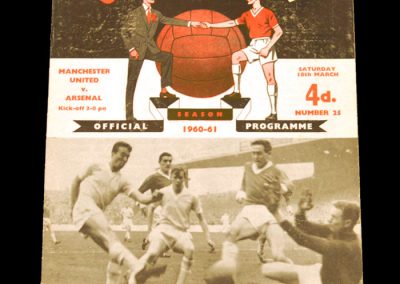
Arsenal v Manchester United 18.03.1961
-
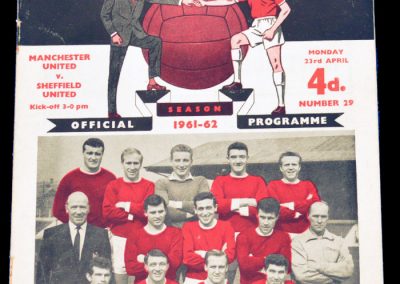
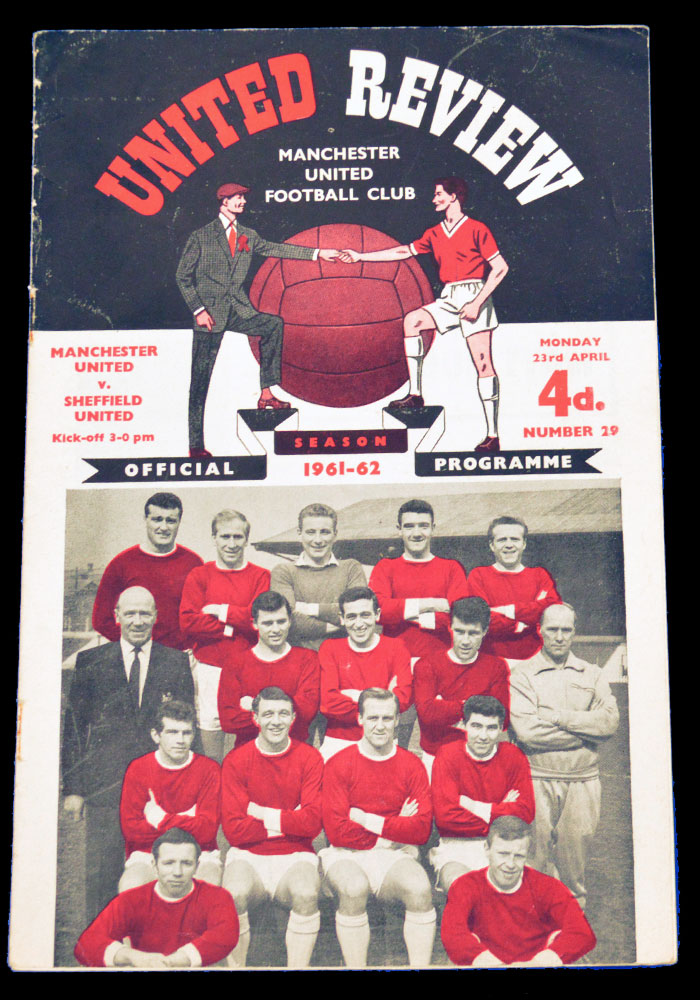
Sheffield United v Manchester United 23.04.1962
-
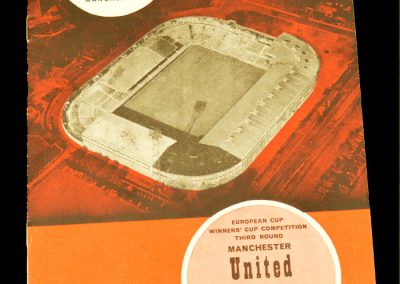
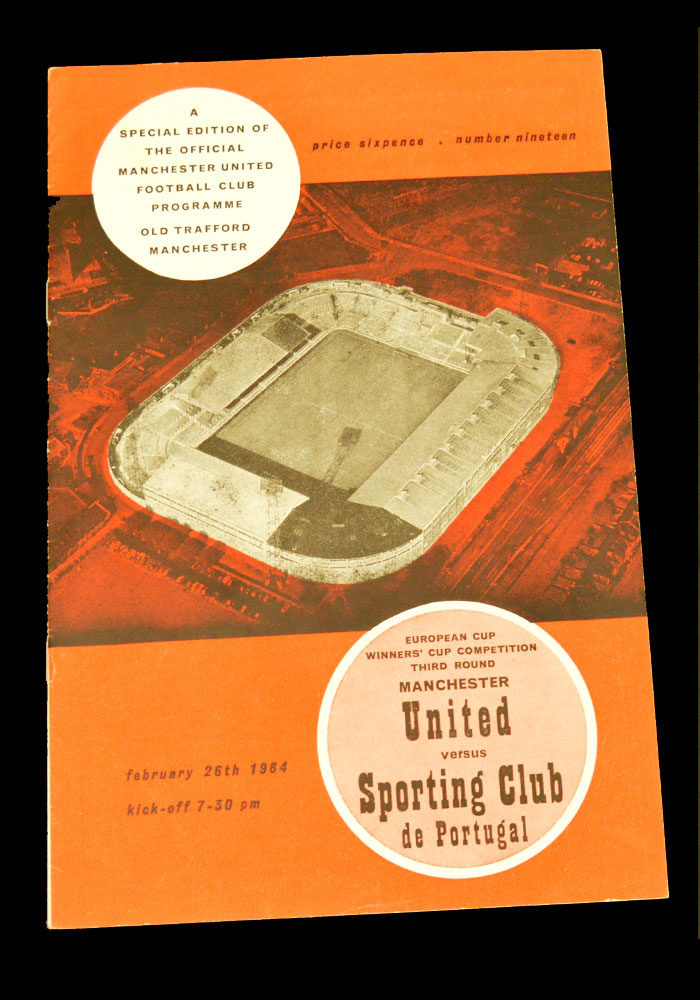
Sporting Club Portugal v Manchester United 26.02.1964 | European Cup Winners Cup Quarter Final 1


Create a complete fixture checklist
A fixture list is the foundation of a season-based collection. Include every match within your chosen scope and record whether a programme was issued.
Useful columns include date, opposition, competition, venue, score and programme status. You can also note condition, price paid, seller and storage location.
Be aware that postponed and abandoned matches can create additional issues. A programme may have been printed for the original date and another produced for the rearranged fixture. These variations can become particularly collectable.
Cup replays, neutral-venue matches and pre-season games are easily missed when relying only on a league table. Check season records carefully and compare them with programme dealer lists, auction catalogues and other collections.
Mark uncertain entries rather than assuming they do not exist. Part of the pleasure is gradually resolving questions through research.
Track gaps without buying duplicates
A written or digital catalogue prevents duplicate purchases and makes searches at fairs or auctions much faster.
A spreadsheet is sufficient for most collectors. Use clear categories such as “owned”, “wanted”, “upgrade needed” and “existence unconfirmed”. Add a photograph where different covers or editions are difficult to distinguish.
Keep the list accessible on your phone. When confronted with a box of old football programmes, you can check gaps without relying on memory.
Duplicates are not always mistakes. A cleaner copy may replace one with writing or missing pages, while an autographed edition can complement a standard issue. However, recording both prevents confusion later.
Review the list periodically. Completing an entire run is satisfying, but identifying the final five gaps can also reveal where research and budget should be concentrated.
Find programmes through several sources
Programme fairs and specialist dealers remain useful because collectors can inspect condition and discuss difficult issues with knowledgeable sellers. Dealers may also maintain wanted lists and contact you when a relevant item appears.
Online auctions provide access to a wider market, although photographs and descriptions should be examined carefully. Ask whether the programme is complete and request details of writing, tears, repairs, stains or removed tokens.
General auction houses, second-hand bookshops, collectors’ groups and local markets can also produce discoveries. Supporters’ forums and social media communities may offer swaps, particularly for recent programmes.
Buying a complete season or mixed club collection can be economical, but calculate how many items you actually need. A large bundle is poor value if most copies are already in your collection.
Relationships matter. Let other collectors know your focus and return the favour by identifying items they need.
Use programmes to trace managerial eras
Organising a collection around managers creates a fascinating alternative to simple chronology. Each era can reveal changes in playing style, recruitment and expectations.
Opening messages and programme notes may show how a manager communicated with supporters. Early optimism can give way to pressure, rebuilding or celebration as results change.
Squad photographs, player profiles and statistics reveal who became central to the team and who disappeared from contention. Transfer announcements and debut features capture careers at the moment they were unfolding rather than through later hindsight.
Create dividers or catalogue tags for each manager. A short summary of their appointment, major results and departure gives the programmes additional context.
Caretaker spells can be especially interesting because they are easily overlooked in broader histories yet may coincide with unusual teams or decisive matches.
Follow the changing stadium
One-club collections also document the physical history of football grounds. Cover photographs, advertisements and editorial features may record new stands, floodlights, seating, scoreboards and hospitality areas.
Programmes from a final season at an old ground or the opening campaign at a new stadium often become important landmarks. They capture both official celebration and supporter anxiety about change.
Look beyond major rebuilds. Small details reveal how matchday life evolved: admission prices, turnstile arrangements, smoking rules, catering, travel advice and sponsorship.
Away programmes can provide another perspective, showing how other clubs described your team and accommodated its travelling supporters.
A stadium-themed section might include opening matches, record attendances, redevelopment announcements and final fixtures before demolition. Photographs of the ground displayed alongside the programmes can make this history easier to follow.
Read the advertising as part of the story
Advertisements are sometimes ignored, but they help locate a programme firmly in its period. Local car dealers, pubs, clothing shops and building firms show the club’s commercial relationship with its community.
National brands and changing sponsors reflect the growing business of football. Shirt sponsorship, television coverage and corporate hospitality become increasingly visible as the decades progress.
Design changes matter too. Older issues may contain dense text and few photographs, while later programmes introduce glossy covers, colour printing and magazine-style features.
Comparing issues from the same fixture across several decades can show how language, pricing, branding and supporter expectations changed.
This is one reason old football programmes remain valuable even when the match itself was unremarkable. Ordinary fixtures often preserve the clearest evidence of everyday football culture.
Set condition standards that suit your budget
Decide how much condition matters before pursuing difficult seasons. Some collectors want clean, unmarked copies, while others value a programme that was clearly carried and used at the match.
Team changes, scores and signatures may add interest, although heavy writing, missing pages and tape repairs usually affect desirability. Rusted staples, folds and water damage should also be recorded.
For scarce issues, accepting a lower-grade copy may be the only realistic option. It can later be upgraded if a better example becomes available.
Ask sellers for full descriptions and keep purchase records. Knowing what was paid helps when comparing upgrades, selling duplicates or insuring a valuable collection.
Store the collection for future seasons
Programmes should be kept in a dry, stable environment away from direct sunlight. Use suitable sleeves, folders or archival boxes that support the paper without trapping damaging moisture.
Avoid overfilling binders or stacking heavy quantities where covers and spines may become distorted. Remove rusty clips and unrelated inserts carefully, but retain original supplements, team sheets and ticket stubs associated with the match.
Organise items in the same order as the catalogue, whether by season, competition or manager. Clear labelling makes browsing enjoyable and prevents programmes from becoming misplaced.
Digitising covers can create a visual index while reducing unnecessary handling of fragile issues.
Let the collection tell your club’s story
A one-club project offers both achievable targets and lifelong possibilities. Begin with one season, define the matches that count and create an accurate wanted list. As gaps close, expand into cup runs, away fixtures, reserve teams or earlier decades.
The strongest football programme collection is not necessarily the largest or most expensive. It is one with a clear purpose and enough organisation to reveal connections between its contents.
Through old football programmes, managers return to the dugout, stadiums change around the crowd and forgotten players receive another moment of attention. Collected together, the issues become more than matchday souvenirs: they form a detailed, evolving history of one club and the people who followed it.