

Some football programmes matter because they are rare. Others matter because of the occasion they represent. Cup finals, dramatic semi-finals, promotion deciders, European nights and fiercely contested derbies capture moments when a season—or an entire period in a club’s history—turned on one match.
Building a “big match” collection gives collectors a flexible alternative to completing every programme from a club or season. It can follow one team, one competition or a personal definition of what makes a fixture important.
The result is more than a selection of famous covers. Arranged thoughtfully, the programmes can tell stories about glory, disappointment, rivalry and the changing character of football itself.
Decide what qualifies as a big match
Begin by defining the boundaries of the collection. An obvious approach is to include major domestic and European finals, but this can quickly become broad and expensive.
You might concentrate on one club’s significant fixtures, such as every cup final and semi-final it has contested. Another option is to follow a competition through several decades, collecting finals from the FA Cup, League Cup or European competitions.
Promotion and relegation deciders can be just as important as finals. A last match of the season that secured a club’s future may mean more to its supporters than a widely collected Wembley issue.
Derbies introduce another interpretation. Regular league meetings can become major occasions because of the rivalry, title implications or events surrounding a particular match.
Write a short collecting rule, but leave room for personal judgement. A collection should reflect the matches that feel significant to you.
Start with one landmark fixture
Choose a match that gives the project a clear beginning. It might be the first final you attended, a famous victory from your club’s history or a programme inherited from another supporter.
Research the route to that game. A cup final becomes more interesting when accompanied by programmes from the earlier rounds, particularly the semi-final and any replay.
If the starting point is a promotion decider, look for football programmes from other crucial fixtures in the run-in. These supporting issues give the central programme context and turn one result into the climax of a longer story.
A single landmark also helps establish a realistic budget. Once you understand the price and availability of related issues, you can decide whether to continue backwards, forwards or into another theme.
Collect the journey as well as the final
Final programmes are the obvious centrepieces, but collecting only finals can make the story feel incomplete. The route to the showpiece often contains unexpected away wins, replays and tense semi-finals.
Consider building a complete cup run around each final. This creates a contained collecting target and introduces programmes from smaller grounds that may be harder to find than the final itself.
Semi-final programmes deserve particular attention. Matches played at neutral venues capture an older cup tradition, while two-legged European ties allow collectors to compare how each club presented the occasion.
Qualifying rounds can also add depth. A team’s journey to a European final may have begun months earlier against unfamiliar opposition, long before supporters imagined that a trophy was possible.
This approach turns football programmes into chapters rather than isolated souvenirs.
-
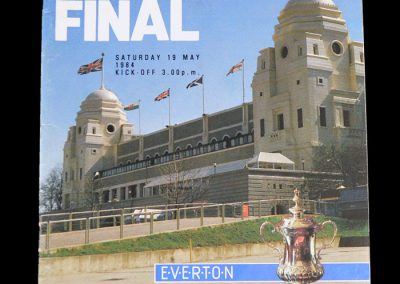
Everton v Watford 19.05.1984 (FA Cup Final)
-
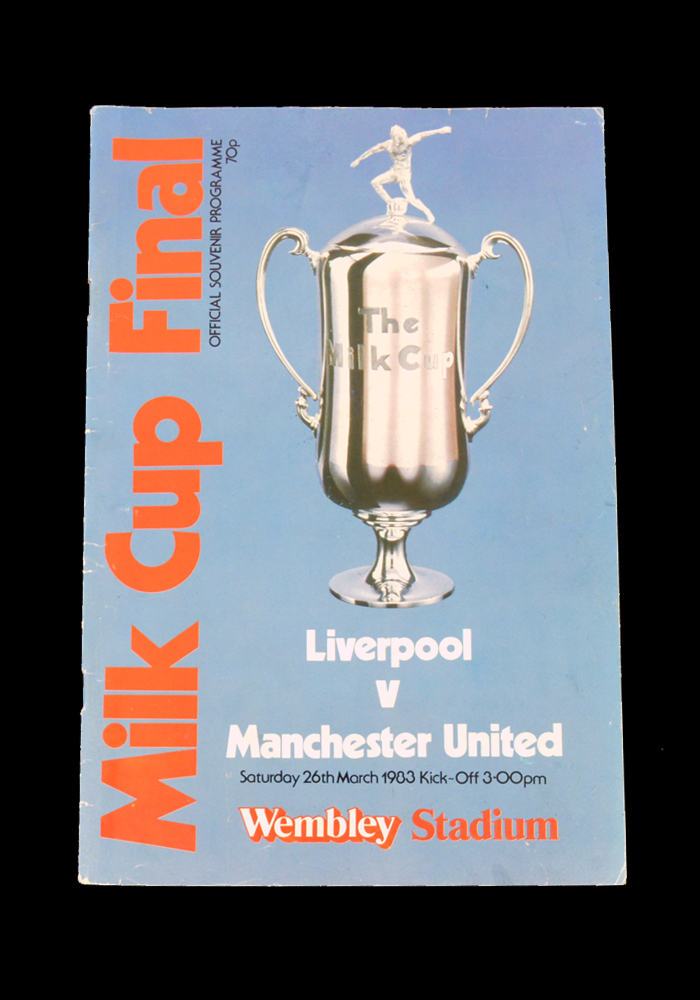
Liverpool v Man Utd 26.03.1983 - Milk Cup Final
-

Leicester v Man City 26.04.1969 - FA Cup Final
-

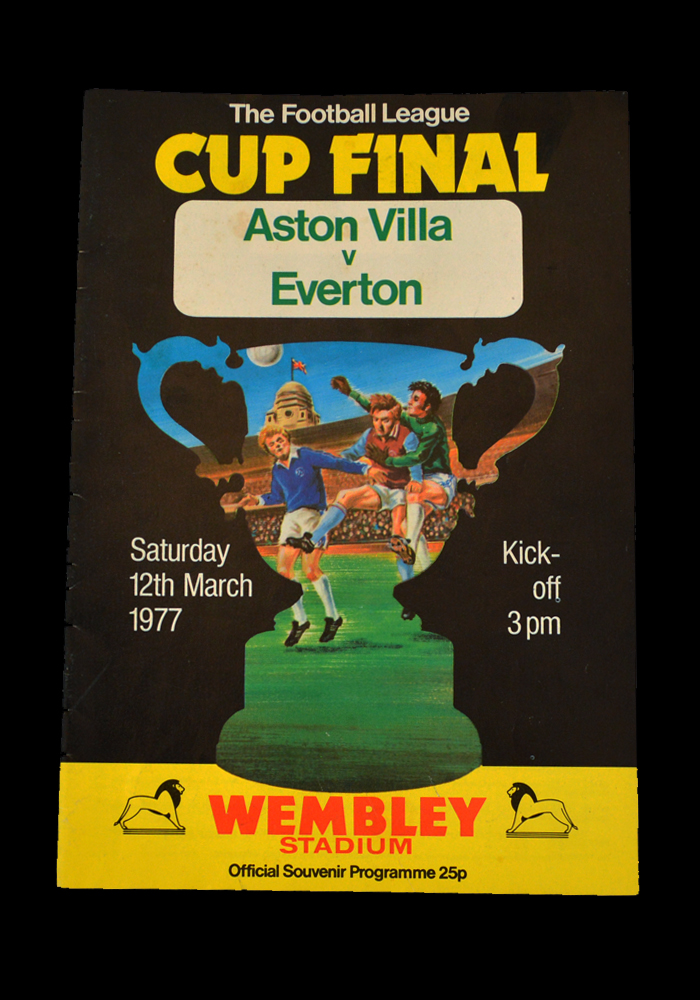
Aston Villa v Everton 12.03.1977 - League Cup Final 0-0


Use promotion deciders to tell a season’s story
Promotion matches have a special atmosphere because the prize is not a cup but a change in the club’s status. The most compelling programmes may come from the final day, play-off semi-finals or a Wembley final.
Build the section around the decisive fixture, then add programmes that record important stages of the campaign. These might include a managerial debut, a turning-point victory, a match against a promotion rival or the game in which a leading scorer reached a milestone.
The programme’s league table, manager’s notes and supporter columns reveal contemporary expectations. A confident editorial written weeks before the finale can read very differently with hindsight.
Do not overlook failed promotion campaigns. Play-off defeats and near misses are part of football history, and their programmes may carry as much emotional weight as successful seasons.
Give derbies a focused structure
A derby collection can become enormous if every meeting is included. A “big match” theme allows you to select fixtures with an additional layer of importance.
Look for derby cup ties, matches affecting promotion or relegation, first meetings at a new stadium and games remembered for dramatic comebacks or individual performances.
You could organise the section chronologically to show how the rivalry developed. Alternatively, pair home and away fixtures from the same season to compare covers, editorial tone and the way each club described the opposition.
Local advertising is particularly revealing in derby programmes. It shows the businesses, industries and neighbourhoods surrounding the clubs at a specific moment.
Ticket stubs, newspaper reports and photographs can add context, but the programme should remain the anchor of each match display.
Track variations and special editions
Major fixtures frequently produce more than one collectable item. There may be official programmes, team editions, hospitality versions, supplements or different covers.
Replays and rearranged matches can create additional issues. A programme printed for a postponed semi-final may be scarcer than the version sold when the match was eventually played.
Unofficial publications are another branch. Souvenir brochures and newspaper specials can complement the official issue, although they should be catalogued clearly rather than mistaken for match programmes.
Record publisher, date, venue, page count and any known variation. Photographs are useful when covers differ only slightly.
Avoid assuming that the most expensive version is essential. Collecting one representative programme from each fixture may provide a more satisfying and affordable structure.
Create a catalogue with match context
A spreadsheet or database will help prevent duplicates and show gaps. Alongside basic details, include the round, score, attendance, scorers and why the game belongs in the collection.
Add fields for condition, price paid, seller and storage location. A “wanted” column can identify missing semi-finals, replays or supporting fixtures.
Writing a short note about each match adds lasting value. Record whether it decided a trophy, completed a comeback or marked a first appearance at a major venue.
These notes can later become labels for a physical display or captions in a digital gallery. They also ensure that less famous programmes retain their meaning when viewed years later.
Organise by competition, club or narrative
Chronological order is straightforward, but it is not the only option. A competition-based collection can separate domestic cups, European tournaments, promotion campaigns and derbies.
A club-focused collection might use sections such as “Road to Wembley”, “European Nights” and “Promotion Seasons”. This lets each theme develop independently while retaining a clear identity.
Narrative displays can be especially engaging. Place a semi-final programme beside the final, followed by the next season’s European debut. The sequence shows how one result created another opportunity.
Use dividers, labels and a consistent cataloguing system. The organisation should make it easy to browse without repeatedly handling fragile issues.
Display highlights without causing damage
Displaying selected programmes allows the collection to be enjoyed, but long-term exposure to sunlight can fade covers. Frames should use suitable conservation materials and avoid pressing adhesives directly onto the paper.
Display high-quality reproductions if an original is particularly valuable or fragile. The genuine item can remain stored safely while its cover forms part of the room.
Rotating the display creates opportunities to highlight different themes. An FA Cup section could appear around the final, while promotion programmes might be shown near the anniversary of a decisive match.
Programmes not on display should be stored upright or flat in appropriate sleeves, folders or archival boxes. Keep them in a dry, stable environment away from damp and excessive heat.
Let importance be personal
A big match collection does not have to contain only nationally famous finals. For one supporter, a European Cup programme may be the centrepiece. For another, it could be a lower-division fixture that secured survival on the final afternoon.
That personal definition gives the collection character. It allows celebrated football programmes to sit beside issues whose significance comes from local memory or family experience.
By collecting finals, semi-finals, promotion deciders and important derbies within a clear structure, you can build an archive that follows football at its most intense. Each programme preserves the anticipation before the result was known, making a “big match” collection a vivid and highly personal route through football history.