
1900/01 – 1918/19
The years from 1900/01 to 1918/19 sit in a fascinating sweet spot for football programme collectors. The game is no longer a niche pastime, but it hasn’t yet become the slick, mass-produced matchday industry we recognise from later decades. In this period, clubs are sharpening their identities, crowds are growing, and programmes begin to feel less like simple notices and more like keepsakes — with stronger design choices, richer advertising, and far more personality on the page.
What makes programmes from this era so compelling is how much they reveal beyond the scoreline. A single issue can capture the tone of a town on matchday: local businesses competing for attention, committee names and ground details, prices and travel hints, plus the little quirks of language and layout that date a programme instantly. You also start to see the early fingerprints of modern football culture — star names becoming selling points, bigger fixtures getting more elaborate print, and clubs using the programme to speak directly to their supporters.
This page brings together examples across the period, ranging from major league clubs and cup ties to reserves and local matches, as well as internationals that underline just how important representative football already was to fans and collectors. You’ll notice how varied the formats can be: some are sturdy and information-heavy, others are sparse and fleeting, which is exactly why survivors are so sought after.
And then, of course, there’s the shadow and disruption of the First World War. Football didn’t simply “stop”; it adapted — with unusual fixtures, regional competitions, service connections and poignant reminders of how the sport and its people were caught up in wider events. The inclusion of wartime-related items alongside conventional match programmes helps place this collection in the real world these papers came from, not just a results list.
Use this section as a bridge between the very earliest programme-era material and the more familiar inter-war years. Browse, compare, and enjoy the details — because with programmes like these, the small print is often the best part.
-

Sheffield Wednesday v Preston 06.10.1900
-

Walsall v Burnley 10.11.1900
-

Sheff Utd v Newcastle Utd 08.12.1900
-

Newcastle v Seghill 02.03.1901
-

Newcastle v Seghill 02.03.1901 Colin Veitch in the A team
-
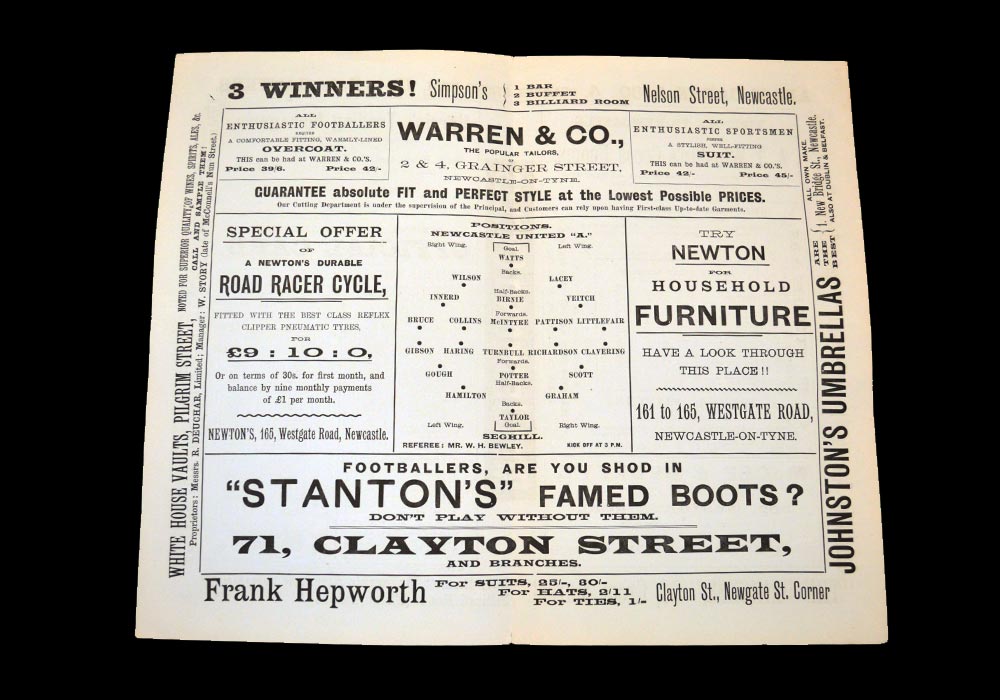
Newcastle v Seghill 02.03.1901
-

Newcastle A v Willington 20.04.1901
-

Sheffield United Reserves v Heely Friends 30.11.1901
-
Aston Villa v Portsmouth 01.03.1902
-

Scotland v England 05.04.1902 (Ibrox Disaster)
-

Sheffield Wednesday Reserves v Roundell 14.02.1903
-
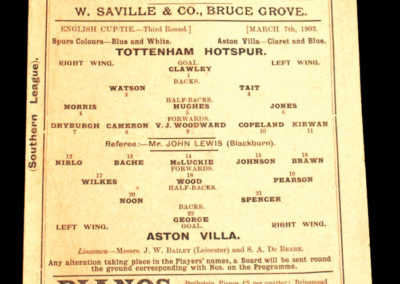
Tottenham Hotspur v Aston Villa 07.03.1903
-

England v Scotland 04.04.1903
-

Association Football JL Jones (Tottenham) 1904
-
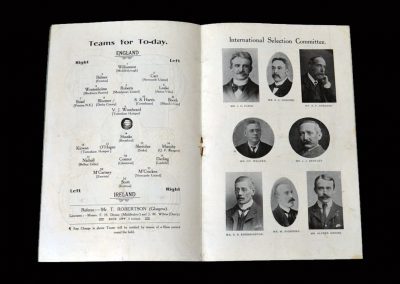
England v Ireland 25.02.1905
-

England v Wales 27.03.1905
-

Everton Reserves v Liverpool 04.09.1905
-

Everton v Newcastle 21.04.1906 - FA Cup Final Tour
-

Everton v Liverpool 29.09.1906 | Everton Reserves v Stalybridge 29.09.1906
-

Aston Villa v Newcastle 10.11.1906
-

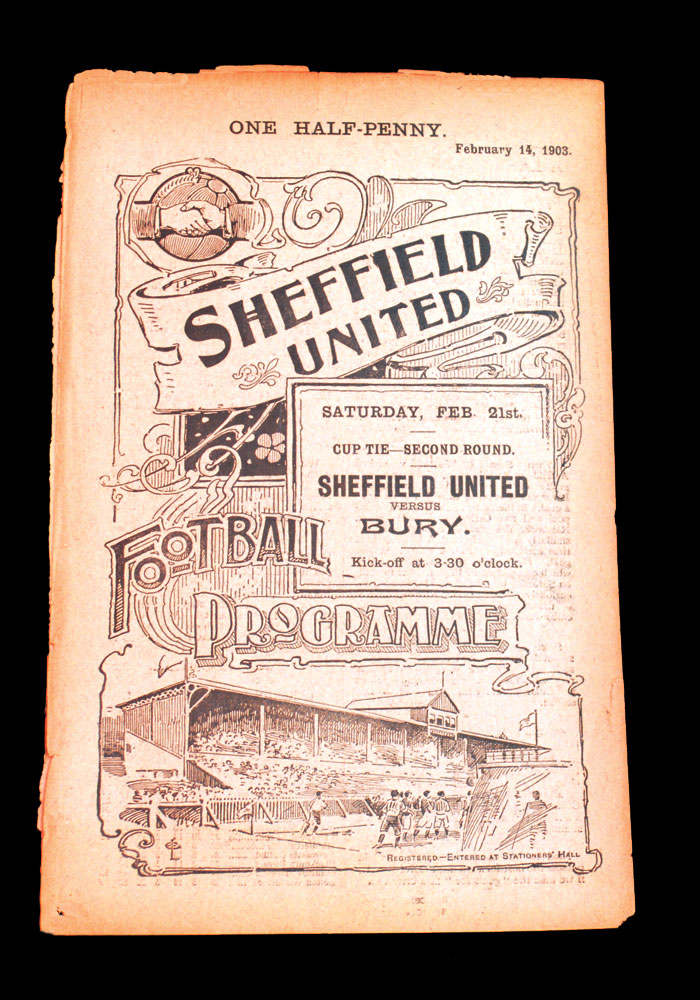
Sheff Utd v Sunderland 09.02.1907
-

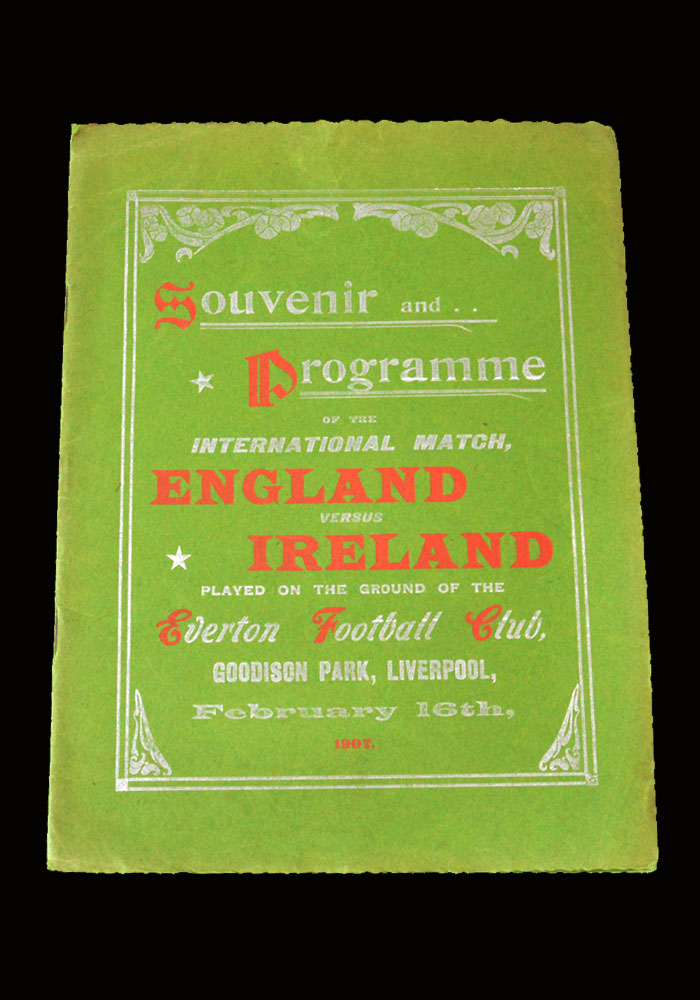
England v Ireland 16.02.1907
-

Sheff Utd v Sunderland 26.10.1907
-
![Oldham v Leeds City 30.10.1907 [reprint]](https://10footballs.com/wp-content/uploads/2024/10/005-400x284.jpg)
Oldham v Leeds City 30.10.1907 [reprint]
-
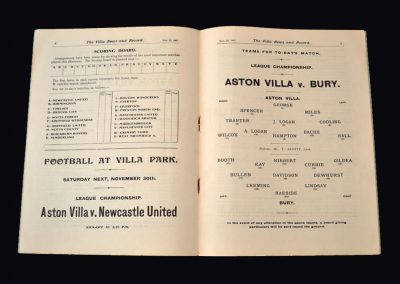
Aston Villa v Bury 23.11.1907
-

Bradford City v Burnley 20.04.1908
-

Wolves Cup Winners 25.4.1908
-

Sheffield v Glasgow 19.10.1908
-

Middlesbrough v Nottingham Forest 19.12.1908 Middlesbrough v Manchester City 20.03.1909
-

Bradford City v Spurs 18.09.1909 (Walter Tull scores Spurs only goal in a 5-1 defeat)
-

West Ham Reserves v Coventry Reserves 18.09.1909
-

Newcastle v Bradford City 09.10.1909
-

Spurs v Bury 09.10.1909 (Tull at 8)
-
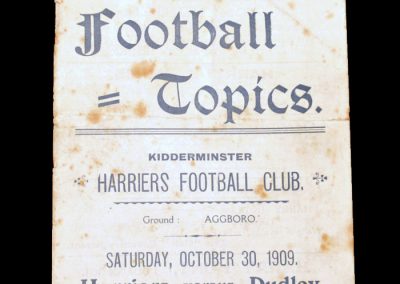
Kidderminster v Dudley 30.10.1909
-

Preston North End Fixture Card 1909/1910
-

Stoke v Birmingham 27.11.1909
-

Bradford City v Middlesbrough 27.12.1909 Steve Bloomer and Alf Common in the same forward line
-

Whites v Stripes 24.01.1910 (Postponed England Trial)
-

Whites v Stripes 31.01.1910 England Trial Match
-

Whites v Stripes 31.01.1910 England Trial Match
-

Fulham v Wolves 19.03.1910
-
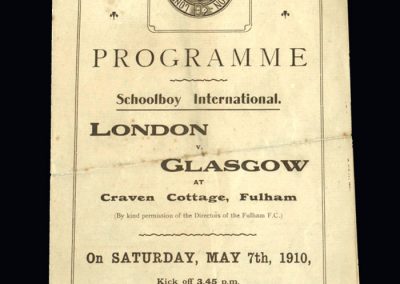
London Schools v Glasgow Schools 07.05.1910
-

Newcastle Postcard 1910/1911 Season
-

Oxford City v Borough Road 29.09.1910
-

Southern League v Scottish League 24.10.1910
-

Chelsea v Hull 26.11.1910 QPR v Swindon 28.11.1910
-
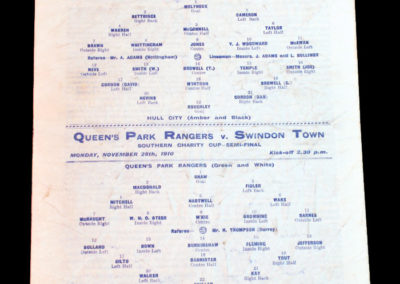
Chelsea v Hull 26.11.1910 QPR v Swindon 28.11.1910
-

Tottenham Hotspur Reserves v Clapton 26.11.1910
-

Tottenham Hotspur Reserves v Clapton 26.11.1910 with Walter Tull Photograph
-

Walter Tull circa 1911 - Barnados boy a genuine pioneer and war hero
-

Spurs squad photo card 1911/1912
-

Luton v Portsmouth 04.03.1911
-
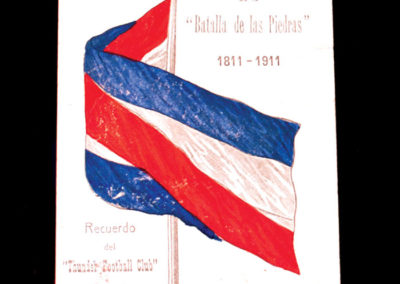
Pando Thunder FC Uruguay (Batalla Las Piedras) 18.05.1911
-

Coronation Souvenir June 1911
-

Newcastle v Bradford City 09.09.1911
-

Dominion Visit Souvenir July 1911
-

Woolwich Arsenal v Bradford City 14.10.1911
-

Oldham v Newcastle 25.12.1911
-

Middlesbrough v Sheffield Wednesday 20.01.1912
-

English League v Scottish League 17.02.1912
-

English League v Scottish League 17.02.1912
-

Scotland v England 23.03.1912
-

University of London v SK Slavia 24.03.1912
-

University of London v SK Slavia 25.03.1912
-
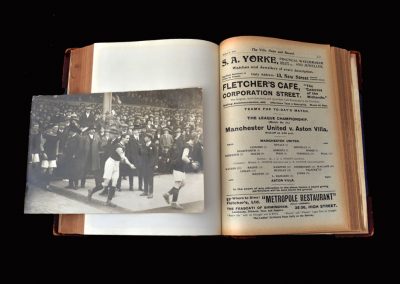
Aston Villa v Man Utd 30.03.1912 | Aston Villa ound Volume 1911/1912
-

Athletic Sports at Grantham FC 27.05.1912
-

England win Olympic Title 04.07.1912
-

Daily News Annual 1912/13
-

England win Olympic Title 04.07.1912
-

England win Olympic Title 04.07.1912
-

Chelsea v Sheff Utd 14.09.1912 (pirate)
-

Newcastle v Sheffield Wednesday 02.11.1912
-

England v The South 25.11.1912 Pirate programmes on sale even then
-

Clapton v Northampton Reserves 08.02.1913
-
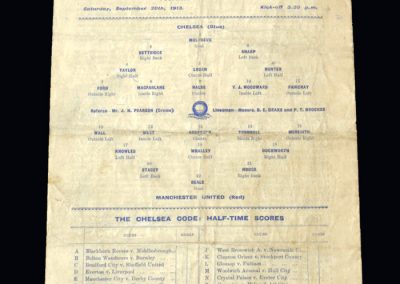
Chelsea v Man Utd 20.09.1913
-

Chester v Northwich 18.10.1913
-

Woolwich Arsenal v Lincoln 18.10.1913
-
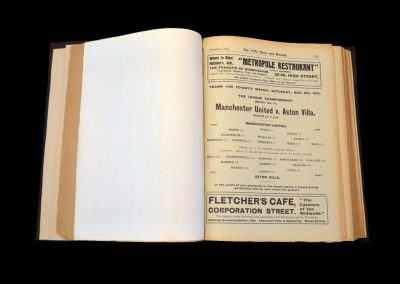
Aston Villa v Man Utd 08.11.1913
-

Fulham v Grimsby 22.11.1913 & England v The South 24.11.1913
-

Fulham v Grimsby 22.11.1913 & England v The South 24.11.1913
-
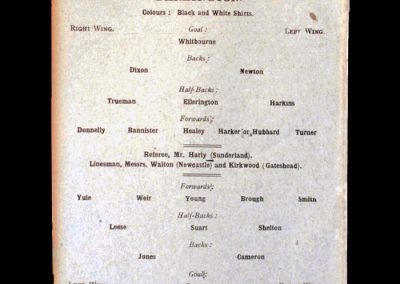
Darlington v Burslem (Port Vale) 22.12.1913
-

Clapton v Fulham 27.12.1913
-

Oldham v Bolton 27.12.1913
-

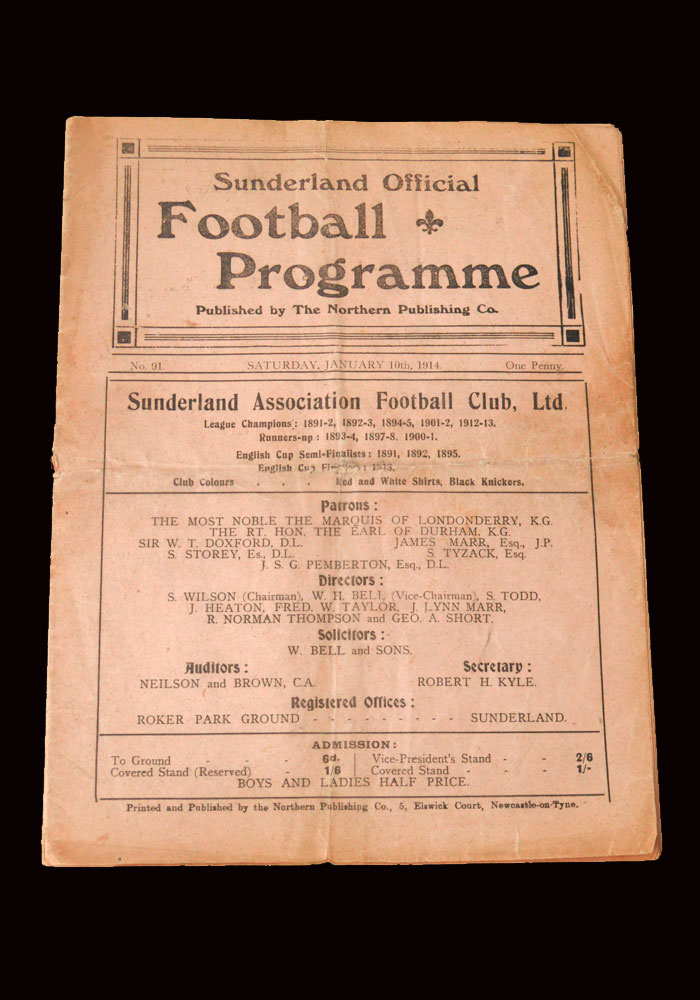
Sunderland v Chatham 10.01.1914 - FA Cup 1st Round
-

England v Ireland 14.02.1914
-

England v Ireland 14.02.1914
-
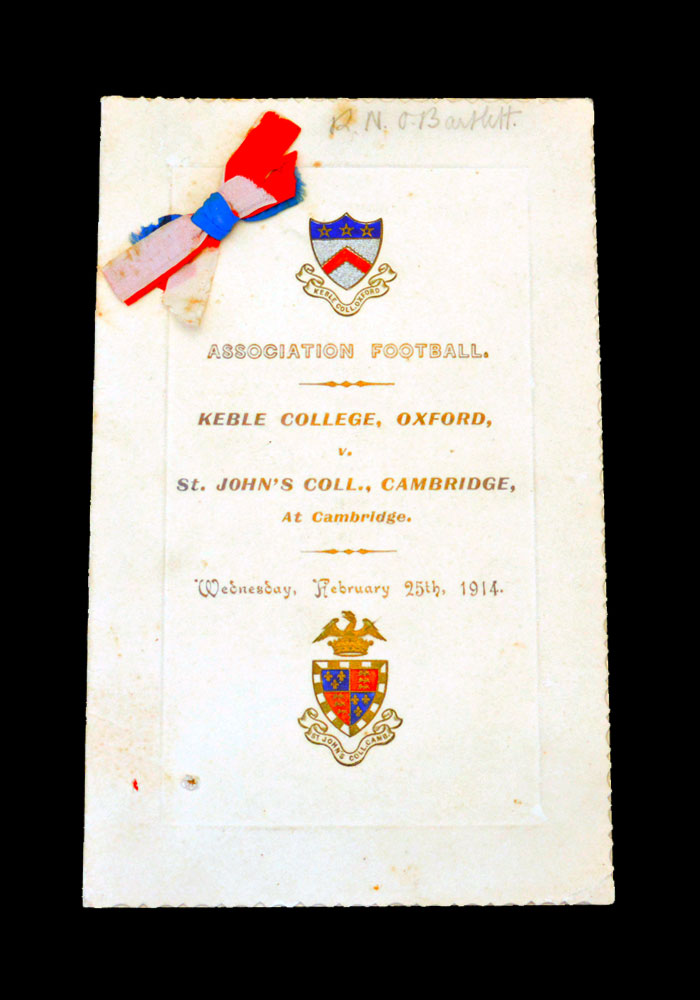
Keble v St Johns 25.02.1914
-

Ordnance v Birmingham 07.03.1914
-

Burnley v Liverpool 14.03.1914
-

Man City v Sheff Utd 16.03.1914 (FA Cup 4th Round 2nd Replay)
-

Sheff Utd v Oldham 21.03.1914
-

Aston Vila v Liverpool 28.03.1914 (English Cup Semi Final)
-

Tranmere v Chester 28.03.1914
-

Ilford FC tour of Germany - Easter 1914 (Good job they cancelled it)
-
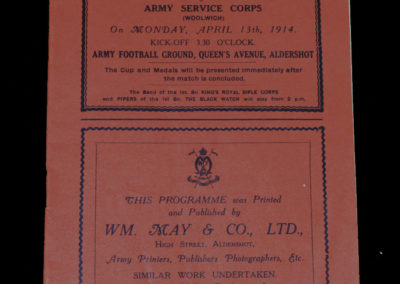
Army Cup Final - Hampshire v Woolwich 13.04.1914
-

North v South (Ben Warren Testimonial) 27.04.1914
-

Ben Warren Cigarette Cards 27.04.1914
-

Scotland v England - Schools International 16.05.1914
-

Hippodrome Theatre Newcastle 21.09.1914 (Football Sing Song)
-
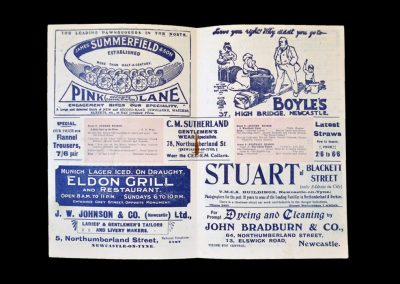
Hippodrome Theatre Newcastle 21.09.1914 (Football Sing Song)
-
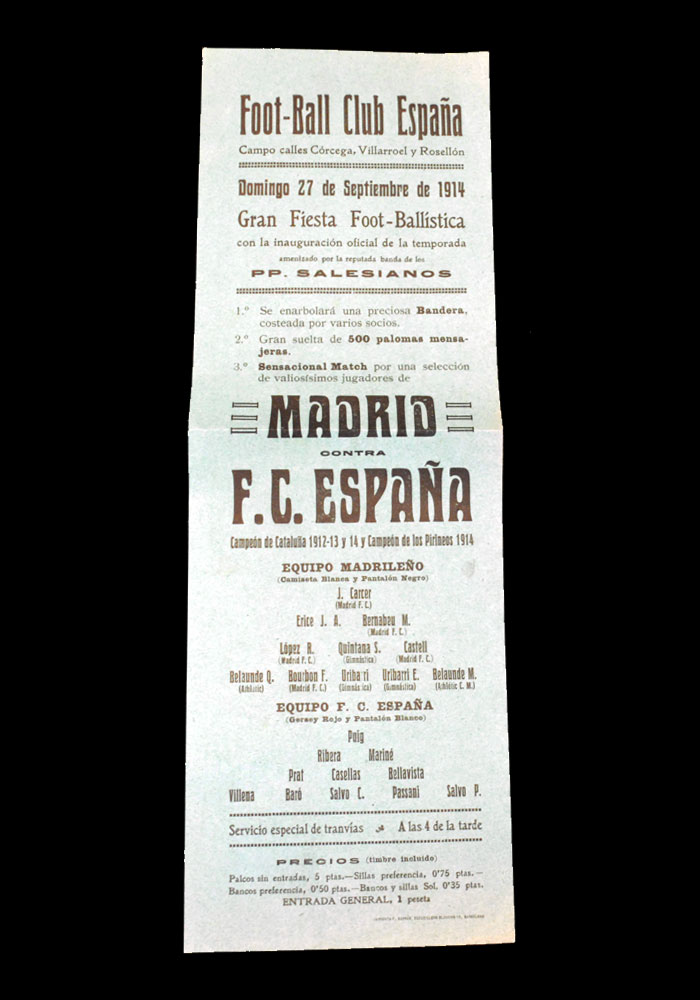
Madrid v Espana 27.09.1914
-

Sheffield United v Bradford City 03.10.1914
-
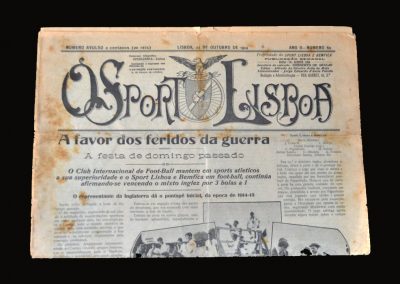
Benfica v Anglos 24.10.1914 (newspaper)
-

Spurs v Sunderland 19.12.1914
-
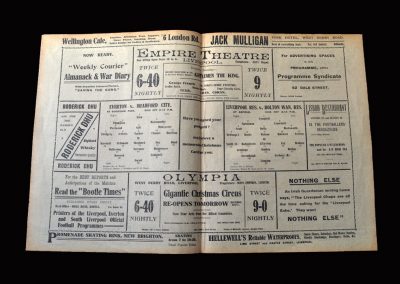
Everton v Bradford City 25.12.1914 | Liverpool Reserves v Bolton Reserves 25.12.1914
-

Rotherham County v Halifax 02.01.1915
-

Chelsea v Newcastle 06.03.1915
-

Middlesbrough v Liverpool 20.03.1915
-

Liverpool v Bradford 17.04.1915 | Everton Reserves v Burnley Reserves 17.04.1915
-

Leeds City v Lincoln 25.09.1915 (Teamsheet)
-

England v Scotland 13.05.1916 - Military International
-

England v Scotland 13.05.1916 - Military International
-

Sheffield United v Leicester Fosse 16.12.1916
-

London Boys v Birmingham 28.12.1916
-
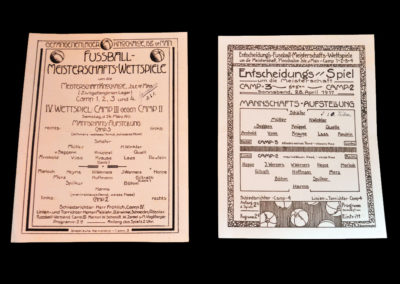
Knockaloe Internment Camp - March - December 1917
-

Knockaloe WW1 Camp Programmes - interned germans
-

Stockholm v Copenhagen 04.05.1917
-

Sheffield United v Rotherham 21.04.1917
-
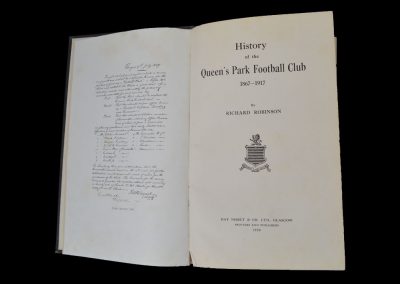
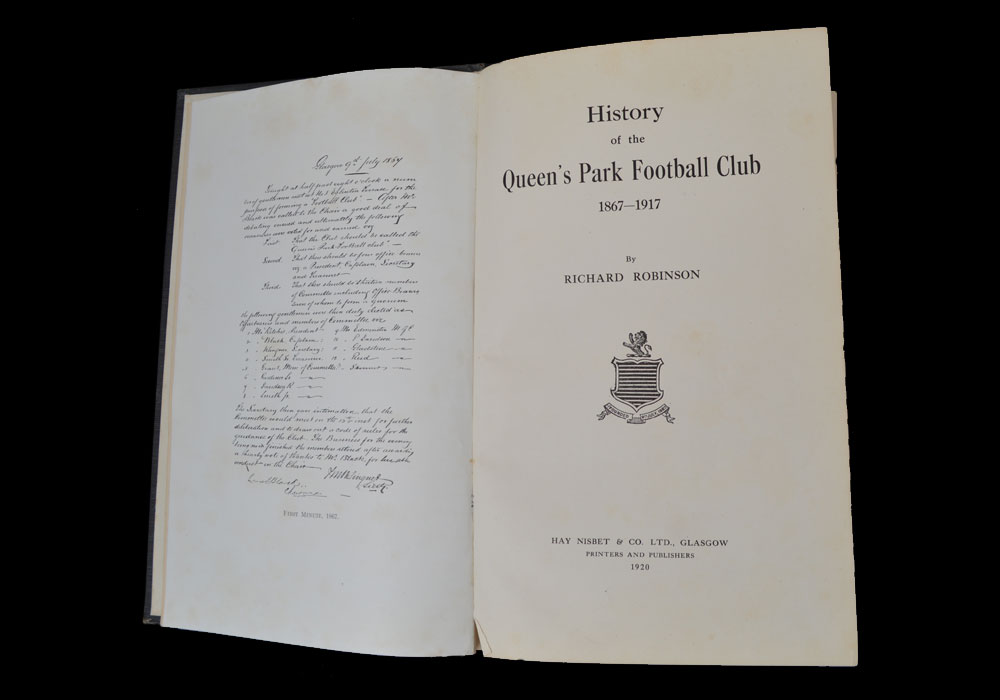
History of the Queens Park Football Club 1867-1917
-
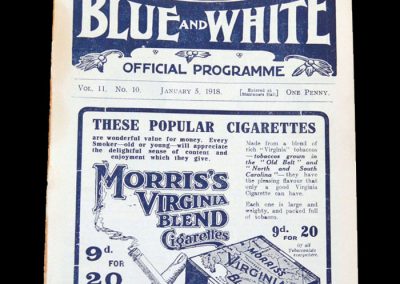
Man City v Rochdale 05.01.1918
-
![Sheffield United v Bradford City 07.12.1918 [thanks Bob]](https://10footballs.com/wp-content/uploads/2016/11/65-400x284.jpg)
Sheffield United v Bradford City 07.12.1918 [thanks Bob]
-

Ruhleben Internment Camp Germany 20.03.1918
-
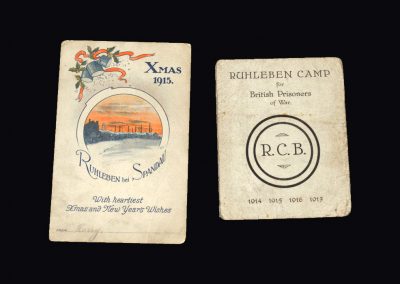
Ruhleben Camp Documents
-

1918 Football Palls Battalion Medals
-

England & Wales v Scotland & Ireland 26.12.1918
-
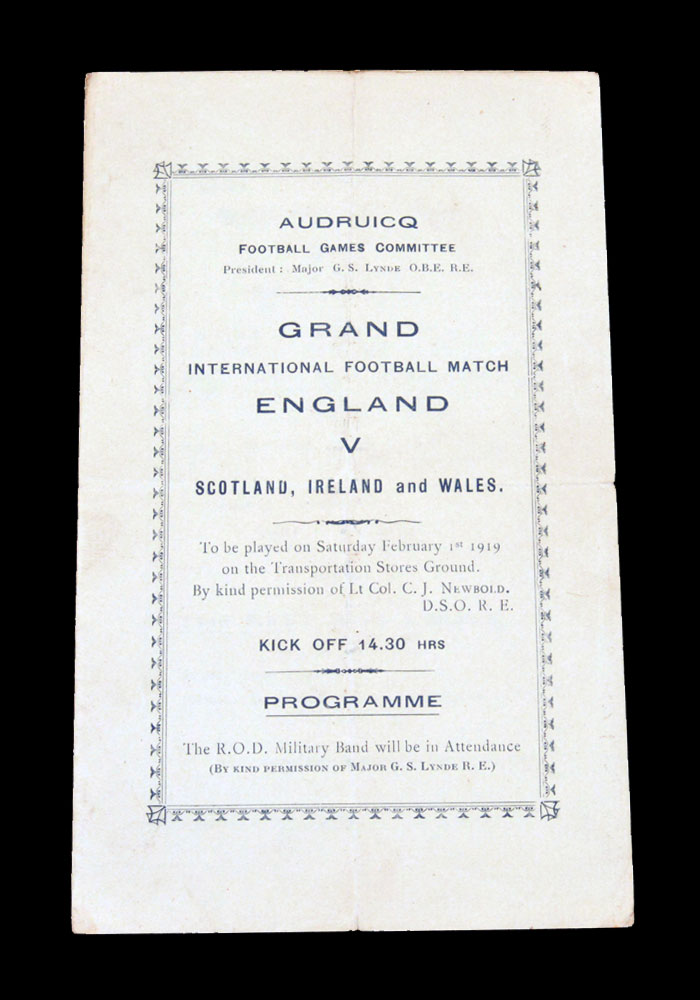
England v Scotland, Ireland and Wales 01.02.1919 (in Calais)
-
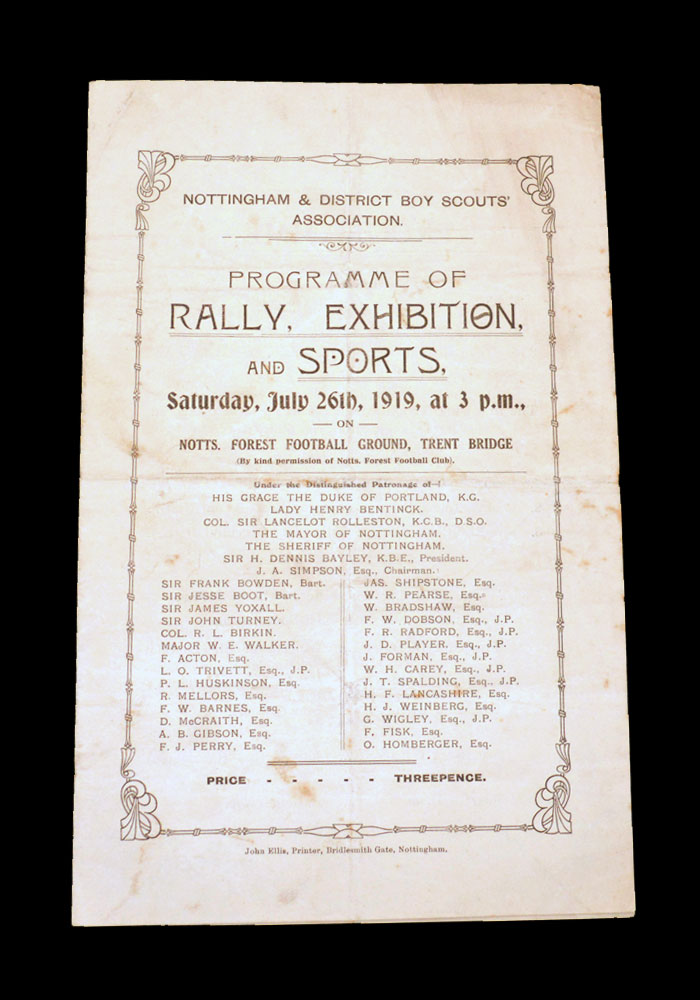
Sports at Notts Forest 26.07.1919





![Oldham v Leeds City 30.10.1907 [reprint]](https://10footballs.com/wp-content/uploads/2024/10/005.jpg)





![Sheffield United v Bradford City 07.12.1918 [thanks Bob]](https://10footballs.com/wp-content/uploads/2016/11/65.jpg)


