
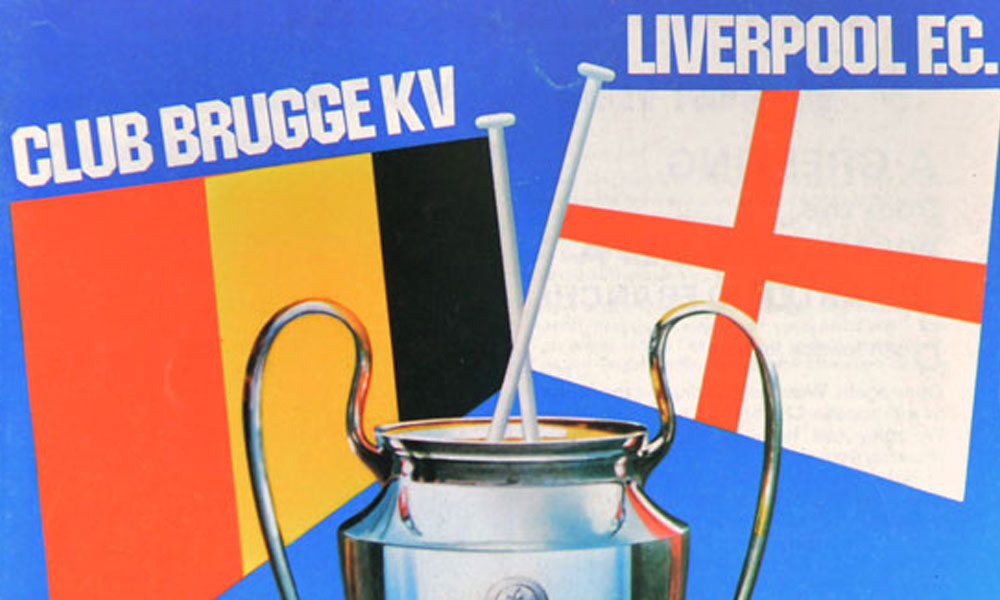
If you really want to feel the history of football, you do not have to rely on grainy clips, statistics or half-remembered stories. You can hold it in your hands. Football programmes – the flimsy booklets bought at the turnstiles for a few pennies or pounds – are some of the most vivid windows into the past that the game has.
They sit at the crossroads of sport, culture and design. Each one captures a specific afternoon or evening: who played, who managed, who sponsored, what the crowd wore, what people worried about and what they were being sold. For collectors and fans alike, football programmes are one of the best ways to bring the history of football back to life.
A time capsule from the turnstiles
At first glance, a programme looks simple: a cover, a list of players, maybe a few adverts. But looked at carefully, every page is a time capsule.
Team line-ups show you formations and positions that have disappeared from the modern game: inside-forwards, wing-halves, five-man forward lines. Managers’ notes reveal how coaches spoke about tactics, referees and supporters in different eras. Club officials’ messages often reflect wider concerns – wartime disruption, financial crises, ground improvements, new floodlights, European travel.
If you line programmes up chronologically, the evolution of the history of football is written in the small print. You can see the shift from amateurism to professionalism, from regional cups to European nights, from terraces to all-seater stadiums – all in the way clubs talk to their fans on matchday.
Design, typography and the look of an era
The design of football programmes tells its own story. Early issues might be single sheets or very basic booklets with minimal imagery. By the mid-20th century, bolder typography, club crests and simple line drawings appear. From the 1960s and 70s onwards, photography and colour start to dominate.
You can track graphic design trends decade by decade:
- Art deco flourishes in inter-war programmes
- Modest post-war layouts as clubs rebuilt
- Bright, bold covers in the 1970s and 1980s
- Glossy, magazine-style productions in the Premier League era
Even the adverts in football programmes are part of the fun. Local butchers, tailors and coal merchants gradually give way to car makers, breweries, high street banks and global brands. Ticket prices, kick-off times and travel information on the back page show how everyday life around the game has changed.
For anyone interested in social history as well as the history of football, these tiny details are gold.
-
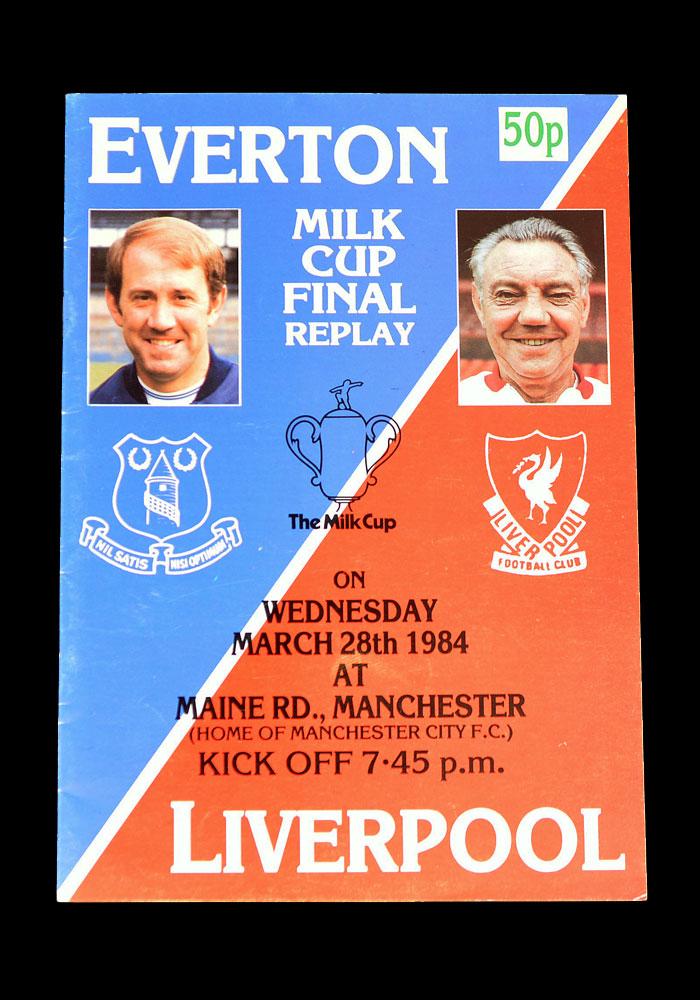
Everton v Liverpool 28.03.1984 (League Cup Final Replay)
-

Alkmaar v Ipswich 20.05.1981 - UEFA Cup Final 2nd Leg
-

Liverpool v Brugues 10.05.1978 - European Cup Final
-

Aston Villa v Everton 12.03.1977 - League Cup Final 0-0


Big occasions and forgotten fixtures
The most obvious way to revisit the past is through programmes from famous matches: cup finals, promotion deciders, epic European ties. Holding a programme from a legendary final or title-winning game instantly connects you to the crowd that day. You read the manager’s deliberate optimism, see the opposition’s star names in the line-up, and know exactly what is about to happen, even though the people who first read it did not.
But some of the richest stories are found in more modest football programmes. A midwinter league game that was abandoned at half-time, a pre-season friendly against a touring foreign side, a testimonial or benefit match – these are fixtures that can easily fade from memory, yet the programme preserves them.
Often, collectors discover that a programme they thought was routine actually marks:
- A famous player’s debut or final appearance
- The first game under a new manager
- A record crowd or unusual venue
- A significant tactical change or formation
In this way, even “ordinary” programmes become signposts in the wider history of football, especially when seen in context with others from the same season.
Local culture and community on the page
Football clubs have always been deeply rooted in local life, and programmes show how that relationship has shifted over time. Early issues might include appeals for war relief funds, notices about church parades or messages from local councillors. Later programmes reflect changing communities, new sponsors and different social concerns.
For smaller clubs, football programmes can be some of the only surviving printed records of their existence. Names of local businesses, club officials, youth team fixtures and supporters’ club trips all appear in the pages. If a club has moved ground, changed its name or disappeared, those programmes may be the only way to reconstruct its story in detail.
This is one of the reasons collectors love building runs from specific clubs or regions. You are not just collecting paper; you are building a patchwork history of a community through its Saturday afternoons.
Players, managers and careers in snapshots
Biographical notes on players and managers are another window into the past. Programme profiles often list previous clubs, jobs, hobbies and even other sports – reminders of an era when many footballers worked in factories or offices in the summer and played cricket or rugby as well as football.
As you follow a player through different teams, their name appears in line-ups and notes across multiple football programmes. You can trace a career from debut to testimonial:
- Youth prospect in a pre-season friendly
- Established first-team regular in league and cup programmes
- Experienced captain featured in a farewell piece
Managers’ notes do the same for those in the dugout. You can see the tone change after a heavy defeat, a big win, or a controversial transfer. Sometimes you can sense tension behind the words – a manager under pressure, a board trying to calm a restless fanbase. For anyone interested in the personalities behind the history of football, these voices are priceless.
From paper to digital: preserving and sharing
One challenge with older football programmes is their fragility. Paper yellows, staples rust, and early issues were never intended to last decades. Collectors take pride in preserving them, but there is also real value in scanning and sharing images so that more people can enjoy the content without handling delicate originals.
Websites like 10footballs help bridge that gap by showcasing selected programmes and telling the stories behind them. High-quality scans allow you to zoom in on team lists, adverts and notes, while accompanying articles explain why a particular issue matters. For those who do own physical copies, seeing them discussed and appreciated by others adds another layer of satisfaction.
At the same time, nothing quite replaces the feel of an original programme. The weight, the smell of old ink and paper, the crease where someone folded it into a coat pocket – all these sensory details are part of the experience. Digital and physical collections can sit alongside each other, each enriching the other.
Starting your own journey through football history
You do not need a huge budget or a room full of shelves to start using football programmes to explore the history of football. A small, well-chosen set can be incredibly rewarding. You might focus on:
- Programmes from your first matches as a child
- All the home issues from a favourite season
- Cup finals and semi-finals involving your club
- Games played at a particular ground or in a particular competition
As you build your collection, patterns emerge. You start to notice changing sponsors, rising ticket prices, new competitions, and the subtle evolution of language around the game. Matches you never saw – decades before you were born – begin to feel familiar, because the programmes make them tangible.
In the end, that is the real magic of football programmes. They turn distant dates and dusty scores into lived experiences, complete with line-ups, expectations, and a little slice of life from the day itself. Whether you are a serious collector or just curious about where the modern game came from, these small booklets are one of the most powerful tools you have for bringing football history back to life.