
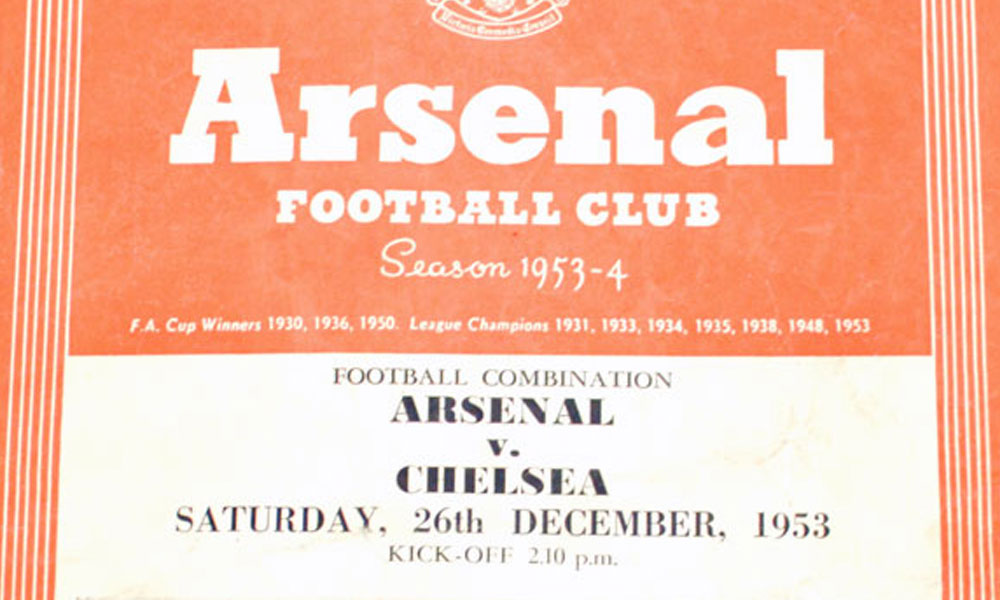
For many supporters, Christmas is not really over until the Boxing Day fixtures have been played. While others are queueing for the sales, football fans are wrapping up, heading to the ground and checking the scores. Over the decades, 26 December has produced some of the wildest results, fiercest derbies and most cherished pieces of football memorabilia – especially football programmes that capture the drama of the day in print.
For a site like 10footballs, Boxing Day is a treasure trove: a single date that runs like a thread through generations of football history, from muddy 1960s pitches to modern Premier League “Christmas crackers”.
Why Boxing Day football matters
The tradition of playing league matches on Boxing Day goes back to the late 19th century, when the holiday gave working men a rare chance to travel and watch their team. Over time, it became a fixed part of the fixture list: a day of relatively local games, big crowds and packed terraces, squeezed between Christmas leftovers and New Year.
Even now, when the calendar is crowded with TV commitments and European competitions, fans still look for their Boxing Day game as soon as the fixtures are released. It is often the only time of the season when three generations of the same family go together: grandparents who remember black-and-white kits, parents who grew up on terrace culture and kids seeing their first live match.
For collectors, that mix of tradition, ritual and memory makes Boxing Day football programmes especially appealing. The date on the cover does half the work before you even turn the page.
Boxing Day 1963: the 66-goal bonanza
If one Boxing Day stands above all the rest, it is 1963. Ten First Division matches produced an almost unbelievable 66 goals – still a record for a single top-flight programme of fixtures.
The scorelines read like something from a schoolyard fantasy:
- Burnley 6–1 Manchester United
- Fulham 10–1 Ipswich Town
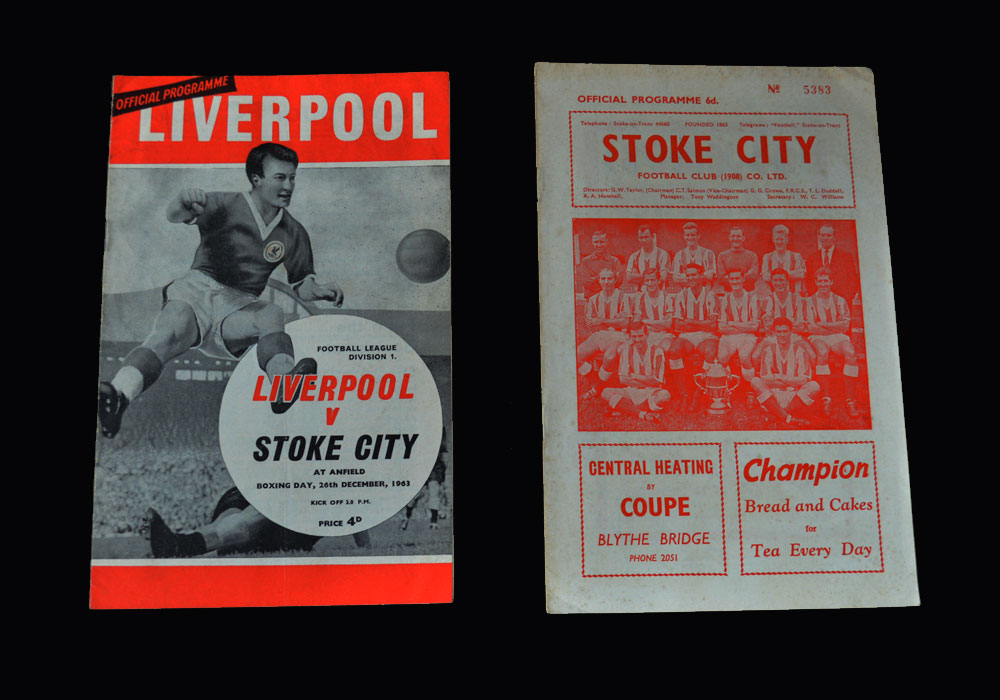
- Liverpool 6–1 Stoke City
- West Bromwich Albion 4–4 Tottenham Hotspur
- Blackburn Rovers 8–2 West Ham United
Only Leicester’s 2–0 win over Everton looked remotely sensible.
On their own, each result is memorable. Taken together, they have become part of English football folklore – copied and shared every December as fans marvel again that it all happened on the same afternoon.
Boxing Day 1963 programmes are, unsurprisingly, some of the most sought-after items of football memorabilia. A Blackpool v Chelsea or Burnley v Manchester United issue from that day is not just a routine league programme; it is a ticket back to one of the most chaotic, free-scoring afternoons the English game has ever seen. For clubs like Fulham and Blackburn, those programmes mark record victories that still stand; for Ipswich and West Ham, they record the other side of the story.
Condition, of course, matters – but even well-worn copies have charm. Many were folded into coat pockets or waved in celebration as the goals flew in, and that bit of wear simply underlines that they were there.
-
Burnley v Manchester United 26.12.1963
-

Derby County v Middlesbrough 26.12.1963
-

Bradford PA v Lincoln 26.12.1963
-

Cardiff v Preston 26.12.1963
-

Crystal Palace v Southend 26.12.1963
-

Liverpool v Stoke 26.12.1963 | Liverpool v Stoke 28.12.1963 (postponed)


Premier League Christmas crackers
While Boxing Day 1963 belongs to the old First Division, the Premier League era has produced its own classics that collectors love to track down.
Coventry City 3–2 Arsenal in 1999 is one such game. Highfield Road, under the lights and drizzle, saw a mid-table Coventry side shock Arsène Wenger’s title chasers. Mustapha Hadji and Gary McAllister both scored before a young Robbie Keane grabbed a brilliant winner. The programme from that evening, showing Arsenal’s star names alongside Coventry’s underrated side, has become a favourite with Sky Blues fans and Arsenal completists alike.
Another much-loved Boxing Day programme comes from Chelsea 4–4 Aston Villa in 2007. Eight goals, three red cards and late drama at Stamford Bridge turned what looked like a routine festive fixture into one of the most replayed games of the decade. Match reports are easy to find online; the programme, with its seasonal cover and calm pre-match optimism, tells you what people thought was coming, not what actually arrived.
Bolton Wanderers 4–3 Newcastle United in 2002 is remembered as a key step in Sam Allardyce’s survival push, featuring Jay-Jay Okocha at his flamboyant best. The Reebok Stadium programme from that day is a reminder of a time when Bolton were bloodying noses at the top table and Newcastle were chasing European football.
Programmes from these games are often relatively affordable compared with older issues, but their appeal lies in how clearly they connect modern fans to specific moments: a Keane winner, a crazy 4–4, an unlikely relegation escape.
Local derbies and personal legends
Not every famous Boxing Day game makes national headlines. For many supporters, the most important festive fixtures are local derbies and promotion battles that matter deeply within a particular patch of the country.
Norwich City fans, for example, still talk about dramatic Boxing Day meetings with Ipswich Town; other supporters have their own long-remembered 3–3 draws, late winners or snow-covered games that live large in club folklore even if they barely register elsewhere.
The football programmes from those matches are often cherished most of all. They might show a festive cartoon canary, a local sponsor’s Christmas message or a manager’s notes about “hoping to end the year on a high”. To outsiders, they are just another line in a catalogue; to those who were there, they are the paper equivalent of a family photograph.
Why Boxing Day programmes are so collectable
So what gives Boxing Day issues their particular pull within the wider world of football memorabilia?
A few things come together:
- The date itself
Boxing Day is a fixed point in the calendar. When you see “26 December” on a cover, you immediately know the context: cold weather, full grounds, festive atmosphere. It adds a layer of nostalgia even before you know the score. - Festive artwork and adverts
Many Christmas-period programmes feature seasonal covers – snow on the club crest, holly borders, messages of goodwill from the board – plus adverts for local shops promoting January sales or winter clothing. That makes them visually distinct within any collection of football programmes. - Big crowds, big stories
Because fans are off work and families are together, Boxing Day fixtures often draw larger crowds than a typical winter weekend. That means more atmosphere, more memories – and more chance that something dramatic happens on the pitch. When it does, the programme instantly becomes more desirable. - The contrast of routine and drama
The beauty of Boxing Day is that, on paper, it is often just another set of league fixtures. That makes the contrast all the greater when a game turns wild – like Fulham 10–1 Ipswich or Chelsea 4–4 Villa. The calm, matter-of-fact tone of the programme sits next to headlines that scream chaos. - Generational collecting
Because Boxing Day sits at the heart of family life, the habit of picking up a programme on 26 December is often passed from parent to child, or grandparent to grandchild. Collections grow year by year, and gaps – “the one Boxing Day I missed” – become little quests for the dedicated collector to fill.
Bringing Boxing Day history together
For 10footballs, Boxing Day football programmes are a perfect example of what makes football memorabilia so addictive. They combine famous national stories – the 66-goal bonanza of 1963, modern Premier League thrillers – with intensely personal memories of long drives, packed terraces, soggy scarves and post-match pints.
Whether you are hunting an original 1963 First Division programme, reliving a 1990s upset, or tracking down the issue from the first time you took your kids to a game on 26 December, Boxing Day programmes offer something unique: a way to revisit not just a match, but a whole festive moment in your life as a supporter.
And as long as there is football on 26 December, new stories – and new programmes to collect – will keep being added to that rich, seasonal archive.