
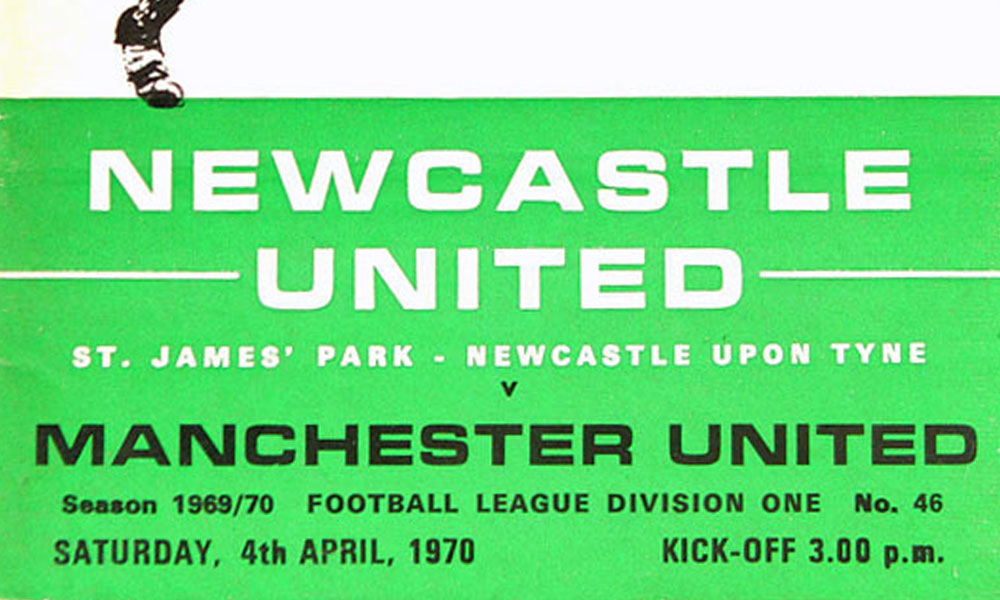
Walk into any collector’s home and you’ll often find the same thing: boxes carefully labelled by club, season or competition, stacks protected in sleeves, and a few prized issues displayed like artwork. To some, it might look like paper. To collectors, old football programmes are living history — time capsules of matchdays that can never be repeated.
In recent years, the hobby has gained even more momentum. As more clubs reduce print runs or stop producing paper programmes altogether, the traditional matchday programme has shifted from “something you pick up on the way in” to a piece of heritage. That scarcity, combined with nostalgia and the thrill of the hunt, is a big reason collecting old football programmes continues to grow. For long-time fans and newcomers alike, programmes offer a tangible link to the game’s past at a time when football is increasingly digital, global, and fast-moving.
A programme is more than a souvenir
A match ticket tells you where you sat. A programme tells you what the club wanted you to feel. It captures the tone of an era: the design, the sponsors, the adverts, the language used to describe players and managers, and even the assumptions about the crowd. Flick through an issue from the 1950s or 1960s and you’ll see a different football world — not better or worse, just unmistakably of its time.
Old football programmes can include:
- Team line-ups, formations, and squad notes
- Manager’s notes and chairman’s messages
- Match reports, club news, and league tables
- Player profiles and photographs
- Adverts for local businesses, fashions, and products
- Competition coverage (cup ties, European nights, internationals)
Collectors love them because they’re a complete snapshot, not just a highlight. They preserve the context around the match: what mattered to the club, what supporters were talking about, and what the football world looked like on that day.
Nostalgia, identity, and belonging
For many fans, football isn’t only about results. It’s about family traditions, friendships, routines, and belonging. Old programmes often carry personal memories: the first match you attended with your dad, a freezing Tuesday night under the lights, a cup run that had you dreaming.
Even if you weren’t there, collecting old football programmes can create a sense of connection. A programme from a legendary final or a historic derby carries the atmosphere in its pages. You can hold it and imagine the crowd, the streets outside the ground, the anticipation, and the tension.
That emotional pull is hard to replicate with digital content. A video clip can be thrilling, but it’s fleeting. A programme is physical proof that the day happened — and that you can keep it.
The thrill of the hunt: collecting as a real hobby
Ask collectors what they enjoy most and you’ll often hear the same answer: finding the one you’ve been searching for. The hobby has all the elements that make collecting satisfying:
- Clear goals (completing a season, a set, or a player’s appearances)
- Rare finds (low print runs, wartime issues, special finals)
- The chase (fairs, auctions, swaps, online listings)
- Community (forums, collector groups, and specialist sellers)
It’s also a hobby with depth. You can start casually — buying a few issues from your club — and over time you learn about editions, reprints, print variations, and how scarcity changes across eras. In that sense, old football programmes become both history and detective work.
Why the hobby is growing as paper programmes disappear
In a strange way, the decline of paper programmes has made the collecting world more vibrant. When something is no longer guaranteed, people value it more. As clubs reduce print runs or move towards digital alternatives, supporters are realising that a physical programme is not just a nice extra — it’s an object that may become rarer with every passing season.
There are a few reasons this shift fuels demand:
- Scarcity: fewer printed programmes means fewer in circulation and fewer available to collectors in future.
- Heritage value: fans increasingly view programmes as part of the matchday tradition worth preserving.
- Tactile appeal: paper feels like “real” memorabilia in a way a PDF doesn’t.
- Collectability: physical items can be graded, stored, displayed, and traded.
- Nostalgia in a digital world: as football becomes more online, the appetite for tangible history grows.
For many, collecting old football programmes is a way of protecting something that feels under threat: the ritual of matchday culture.
A window into football history beyond the pitch
One of the most underrated aspects of programmes is what they reveal about the world around football. The adverts alone can be fascinating: local car dealers, pubs, butchers, tailors, and early sponsorship deals. Programmes show how clubs presented themselves to supporters, how communities were woven into the game, and how football evolved into the modern industry.
They also capture:
- Stadium names, layouts, and old stand references
- Ticket prices and membership schemes
- Sponsor changes and shirt designs
- Media coverage shifts and club messaging
- The rise of European competition and televised football
For collectors who love football history, programmes are primary artefacts. They don’t just tell you the score; they show you the era.
Rarity, condition, and what makes programmes desirable
Not all old football programmes are rare, but certain factors can increase desirability significantly.
Common value drivers include:
- Big matches (cup finals, promotion deciders, title run-ins)
- Derby games and historic rivalries
- Wartime and immediate post-war issues
- Low-attendance matches with limited sales
- First seasons at new grounds, stadium closures, or “last match” issues
- Debuts of iconic players or managers
- European ties, especially early competition years
Condition matters too. Collectors often look for clean covers, intact staples, no heavy creasing, and minimal writing. That said, a well-loved programme with a few marks can still be a treasure if it’s rare or personally meaningful. Many collectors value “story” as much as perfection.
It’s not just for older fans — new collectors are joining
There’s a stereotype that programme collecting is only for older supporters reliving the past. In reality, younger fans are getting involved too — often because they want something physical to represent an era that’s otherwise locked behind screens.
New collectors might start with:
- A birth-year programme
- A favourite player’s early appearances
- A complete season set for their club
- Big European nights or legendary cup runs
- Programmes from defunct grounds or clubs
As the matchday experience changes, the desire to hold onto its traditional artefacts is crossing generations.
How to start collecting old football programmes
If you’re new to the hobby, it helps to start with a clear focus rather than buying random bundles.
Begin by choosing one:
- Your club, one season at a time
- A specific era (e.g., 1970s, 1990s Premier League beginnings)
- Cup finals and semi-finals
- European matches
- A player collection (debut season onwards)
Then learn the basics: how to store programmes properly, how to spot reprints, and how condition affects collectability. Over time, you’ll build both knowledge and a collection that feels personal.
A passion rooted in memory — and made stronger by change
Old football programmes sit at the intersection of sport, nostalgia, design, and history. They remind us that football is more than a live score and a social media clip. It’s a culture built on community and tradition — and programmes are one of the most tangible pieces of that tradition.
As paper programmes become less common, collecting old football programmes feels even more meaningful. You’re not just buying paper. You’re preserving matchday moments, club identity, and the texture of football history — one issue at a time.