
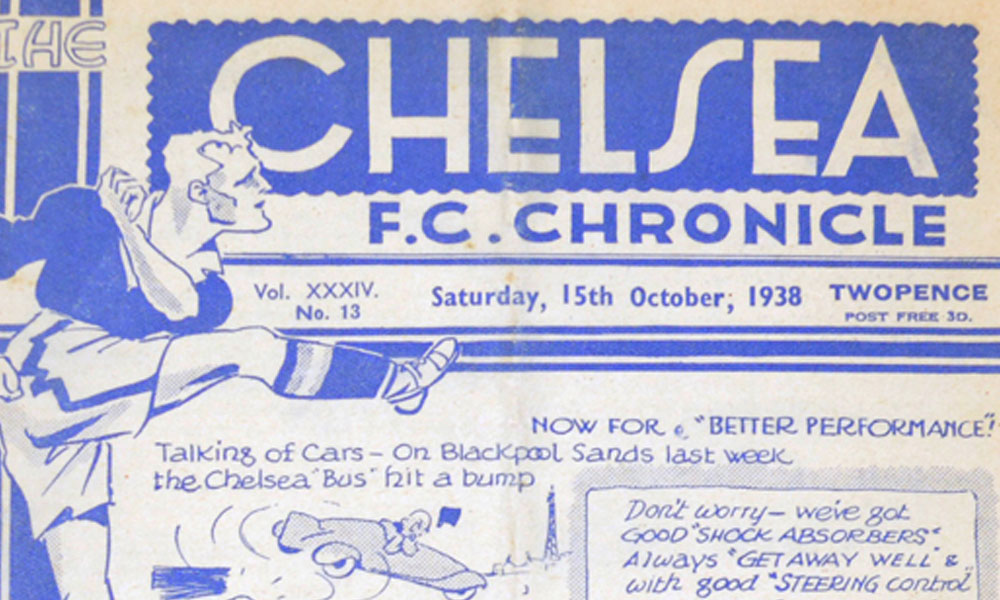
Chelsea’s story is written as much in ink and glossy cover stock as it is in league tables. From the swagger of the King’s Road era to the modern glare of European finals, Chelsea programmes capture the club’s changing identity in a way that match reports never quite can. For collectors, certain issues stand out as cultural snapshots: a particular cover design, a famous opponent, a turning-point season, or a night when Stamford Bridge felt like the centre of the football world.
If you’re building a collection of Chelsea programmes or hunting rare football programmes that genuinely hold interest beyond nostalgia, the best approach is to think in eras. Each decade has its own look, its own “must-have” fixtures, and its own scarcity quirks.
Why Chelsea programmes are so collectable
Chelsea has always had a style factor that translates brilliantly to print. Even when results were inconsistent, the club’s London profile, star players and big-match theatre created programmes that feel “eventful”. Collectors often gravitate towards issues that combine strong visual design with a fixture that means something: a cup run, a derby, a European night, or a farewell.
There’s also the simple truth that programmes are personal. They were held, folded, carried home, signed, and kept in drawers. That’s why pristine copies can be harder to find than you’d expect, especially from older eras when few people stored them with collecting in mind.
-

Chelsea v Arsenal 21.11.1931
-

Chelsea v Liverpool 04.01.1947
-

Chelsea v CSKA Sofiya 21.10.1970 - UEFA Cup Winners Cup 2nd Round 1st Leg
-

Chelsea v Man Utd 09.01.1971


The glamorous 1960s: floodlights, fashion and statement covers
For many collectors, the 1960s is where Chelsea’s programme appeal really starts to sing. The club’s image shifted towards modern London cool, and the matchday print often mirrors that confidence. Home league programmes from this era can be particularly sought-after when they feature bold graphics, clean photography, or distinctive typography that instantly dates (in the best way) to the decade.
Iconic fixtures boost demand: big First Division opponents, cup ties with jeopardy, and London derbies that carried real edge. If you’re seeking standout 1960s Chelsea programmes, look for issues tied to memorable cup runs, high-profile visiting teams, and any match billed as a “night” occasion under lights. These are the programmes collectors display as much as they store.
The 1970s: silverware, drama, and the rise of “big occasion” programmes
The 1970s delivers some of the most emotionally loaded Chelsea collectables. When a match becomes part of football folklore, the programme becomes a physical ticket back to that day. Cup finals and cup runs are the obvious targets, but don’t ignore the earlier rounds and replays that built the story.
Collectors often prize programmes connected to key milestones: major cup ties, dramatic ties that went to replays, and seasons where the club’s identity felt in flux. This is also an era where condition can vary wildly—thin paper, heavy handling, and the tendency to fold programmes into pockets all mean that clean, flat copies are increasingly desirable.
The 1980s: harder years, rarer survivors, and cult collecting
Chelsea’s 1980s are fascinating for collectors because the club’s matchday print reflects a different mood—less glamour, more grit, and often lower survival rates for everyday issues. When demand focuses mainly on the “golden” eras, overlooked decades can become quietly collectable precisely because fewer people saved them.
This is where “rarity” can be more about scarcity than fame. A relatively ordinary league programme can become interesting if it’s hard to find in good condition, features a notable debut, marks a significant turning point, or has a cover style that screams its time. For collectors chasing rare football programmes, the 1980s can reward patience: the joy is in the hunt and the oddities.
The 1990s: a new Chelsea, a new look, and Wembley moments
The 1990s is a sweet spot for many modern collectors: programmes are easier to source than earlier decades, but still old enough to feel properly historic. This era includes a shift towards a more glamorous Chelsea again, with star names, a growing sense of occasion, and a run of memorable cup matches.
Wembley programmes become centrepieces—finals and semi-finals that feel like bookmarks in the club’s modern reinvention. Collectors also like European ties from this period because they capture the early steps of Chelsea becoming a regular presence on the continental stage. Covers often become more polished, photography more prominent, and “souvenir” style issues start to feel like a category of their own.
The Abramovich era and beyond: modern design, high stakes, and global attention
From the early 2000s onwards, Chelsea programmes track a club operating at the sharp end of the sport: title races, heavyweight European nights, and a conveyor belt of big-name opponents. The design tends to be more glossy and brand-driven, which some collectors love for its consistency and others find less characterful than the older styles. Either way, the “meaning” of the match does a lot of the collecting work.
League matches can be collectable when they’re linked to milestones—record runs, decisive title moments, famous debuts, farewell appearances, or matches that effectively define a season. But it’s European and cup football where the modern collecting heat really sits.
Modern European finals: the programmes that feel like trophies
If you’re building a focused run of Chelsea programmes, the modern European finals are essential. These issues are sought-after not only because of the achievement, but because they often exist in multiple programme-related formats: official final programmes, club editions, souvenir issues, and special publications produced around the match.
Collectors value them for story and symbolism. A European final programme isn’t just a match preview—it’s a time capsule of the squad, the manager, the season narrative, and the expectations on the day. Even within modern collecting, condition matters: clean covers, minimal spine stress, and intact inserts (where applicable) can separate a “nice copy” from a display piece.
What makes certain Chelsea covers and fixtures more sought-after
Across all eras, demand tends to spike when a programme has at least one of these qualities:
- A landmark match: finals, semi-finals, decisive title fixtures, iconic European nights
- A distinctive cover: striking photography, bold design, unusual colourways, or a one-off commemorative style
- Scarcity: lower print runs, poor survival rates, or editions that were easily damaged
- Historical hooks: debuts, farewells, managerial turning points, record-breaking runs
- Cultural resonance: matches tied to a wider story that fans still talk about decades later
It’s worth remembering that “rare” isn’t always the same as “valuable”. Some rare football programmes are scarce simply because they weren’t kept, while others are plentiful but permanently popular because the match was huge. The best collecting targets often combine both: a meaningful fixture and a harder-to-find clean copy.
How to build a Chelsea collection with purpose
A strong collection usually has a theme. Here are a few approaches that work well:
- Era-based: pick a decade and try to build a run of key home matches
- Trophy trail: collect programmes from cup runs, including earlier rounds
- European nights: focus on Stamford Bridge European ties and major finals
- Cover art: collect programmes with standout designs, regardless of competition
- Player pathways: track debut seasons or iconic player chapters through key fixtures
The advantage of a theme is that it turns buying into curating. Instead of grabbing anything Chelsea-related, you’re building a story you can actually show and explain.
Caring for your programmes and protecting condition
Condition is a huge part of collecting satisfaction. Store programmes flat where possible, keep them dry, and avoid tight stacking that stresses spines. If you’re investing in older issues, consider protective sleeves and sturdy storage boxes. A well-kept programme doesn’t just look better—it holds its appeal for the next collector, too.
Chelsea’s programme history is rich, stylish, and full of high-stakes fixtures. Whether you’re drawn to the swagger of the 1960s, the drama of cup decades, or the polish of modern European finals, there’s always another issue that feels like a missing chapter. And that’s exactly why Chelsea programmes remain a brilliant corner of the hobby—and why the hunt for rare football programmes never really ends.