
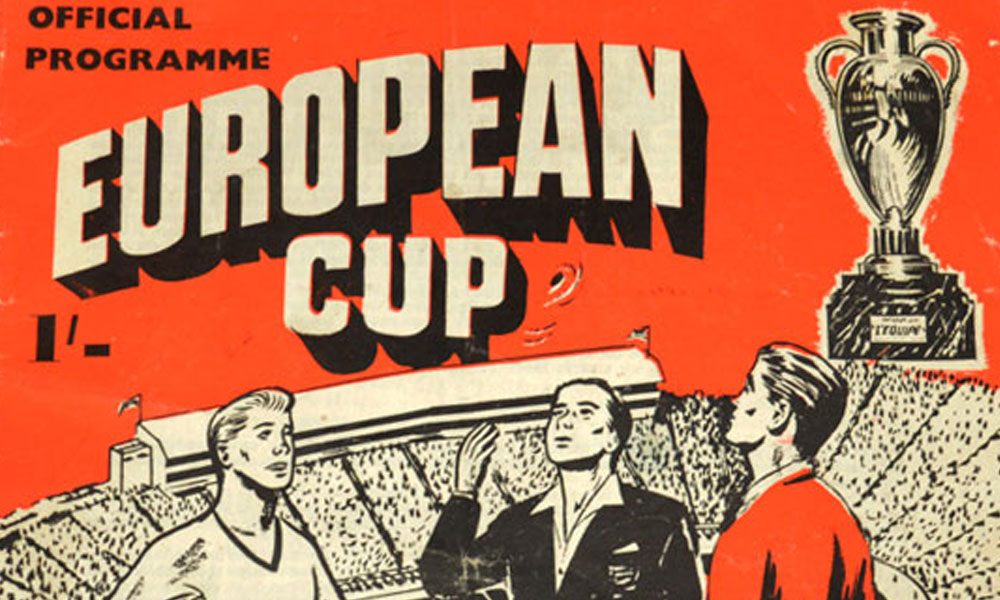
The 1960s was one of the great decades for British and international football. It gave supporters unforgettable cup finals, the rise of European nights, famous domestic rivalries, legendary players and, of course, England’s World Cup triumph in 1966. For collectors, the football programmes of this period offer far more than printed team sheets. They are matchday time capsules, capturing the look, language and atmosphere of a game that was changing quickly but still rooted in terraces, local identity and weekly ritual.
Many 1960s issues remain accessible, but the best examples can be highly collectable. Condition, rarity, fixture importance, club interest and player connections all shape desirability. A programme from an ordinary league match may still appeal if it features a debut, a famous cover, a postponed fixture or a historic side at its peak. For anyone interested in football history, the 1960s is a rewarding decade to explore.
The pull of the 1966 World Cup
No discussion of 1960s football programmes can avoid the 1966 World Cup. Hosted in England and won at Wembley, the tournament holds a unique place in the national memory. Programmes connected to the competition are among the most recognisable and widely sought after from the decade, especially those linked to England’s matches.
The final between England and West Germany is the obvious centrepiece. Its collectability rests not just on the result, but on the story surrounding it: Wembley, extra time, Geoff Hurst’s hat-trick and one of the most debated goals in football history. A clean, original programme from that day remains a classic item for collectors.
Group matches, quarter-finals, semi-finals and tournament brochures also have strong appeal. Some collectors build complete 1966 World Cup sets, while others focus on matches played at specific grounds. Because the tournament spread across several host cities, these programmes also speak to regional football culture, not just the national team.
European finals and the glamour of continental football
The 1960s was a decade when British clubs became increasingly drawn into the drama of European competition. Programmes from European Cup, Cup Winners’ Cup and Inter-Cities Fairs Cup matches are especially attractive because they often feel different from standard domestic issues. The opposition names, unfamiliar club badges, foreign players and floodlit kick-off times all gave these fixtures a special atmosphere.
Tottenham Hotspur’s 1963 European Cup Winners’ Cup final win over Atlético Madrid is one of the standout British club moments of the decade. Programmes connected with that run are collectable because Spurs became the first British club to win a major European trophy. Manchester United’s 1968 European Cup final victory over Benfica is another landmark. The Wembley final programme is prized not only because of United’s triumph, but because of the emotional weight attached to the club’s post-Munich recovery.
Celtic’s 1967 European Cup success also makes related programmes highly desirable. The Lisbon Lions remain one of the most celebrated sides in football history, and programmes from Celtic’s European campaign carry major appeal for Scottish, British and European collectors alike.
FA Cup finals and Wembley tradition
FA Cup final programmes from the 1960s combine ceremony, design and football heritage. Wembley finals already had enormous prestige, but the decade produced several fixtures that remain deeply embedded in club histories. Tottenham Hotspur, Everton, Manchester United, West Bromwich Albion, Liverpool, West Ham United and Chelsea all contributed to a rich run of cup stories.
The 1965 FA Cup final between Liverpool and Leeds United is particularly notable as Liverpool lifted the trophy for the first time. For collectors, that gives the programme added significance. The 1964 final, when West Ham United defeated Preston North End, also has strong appeal due to West Ham’s later connection with England’s World Cup-winning side.
FA Cup final issues were usually printed in large numbers, so rarity is not always the main reason they are collectable. Instead, desirability comes from occasion, condition, club support and complete original presentation. Programmes with neat spines, clean pages and no writing will always attract stronger interest than heavily folded or marked examples.
-
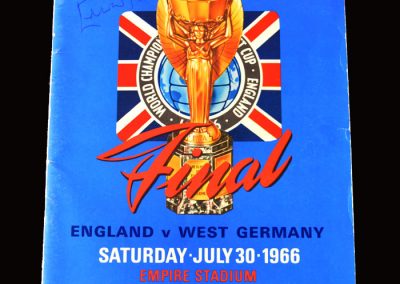
England v West Germany 30.07.1966 - World Cup Final
-

Wolves v Blackburn 07.05.1960 - FA Cup Final
-

Real Madrid v Eintract Frankfurt 18.05.1960 - European Cup Final
-
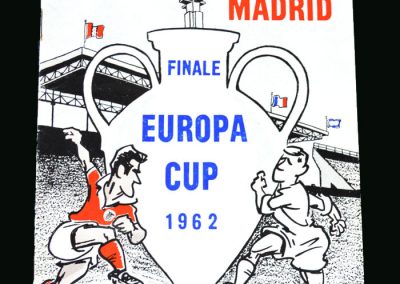
Benfica v Real Madrid 02.05.1962 (European Cup Final) - First half hat trick in a 5-3 loss


League Cup and the changing domestic calendar
The Football League Cup began in the 1960s, which makes early issues from the competition particularly interesting. At first, it did not carry the same prestige as the FA Cup, but early final programmes now have historical importance because they document the birth of a major domestic trophy.
The first final in 1961 between Aston Villa and Rotherham United is an important collecting target. Early two-legged finals and later Wembley editions help show how the competition evolved. These programmes appeal to collectors who like origins: first finals, first appearances, first winners and early competition branding.
For clubs with fewer major honours, League Cup programmes from the 1960s can be especially meaningful. They often mark rare visits to national attention, making them treasured items within specific club collections.
Great players preserved on paper
One reason 1960s programmes remain so collectable is the number of iconic footballers active during the decade. George Best, Bobby Charlton, Denis Law, Jimmy Greaves, Bobby Moore, Gordon Banks, Billy Bremner, John Charles, Dave Mackay and many others can all be traced through matchday print.
Programmes connected to debuts, early appearances, milestone games or famous individual performances can attract extra interest. A standard league issue may become more desirable if it includes a young player before fame arrived. Likewise, testimonials and benefit matches can offer unusual snapshots of how clubs and supporters celebrated their heroes.
Collectors often enjoy following a player’s career through programmes. This turns individual items into a wider story: early promise, peak years, transfers, international appearances and final matches. In that sense, a programme is not merely a souvenir. It becomes a chapter in a player’s printed biography.
Postponements, replays and unusual fixtures
Some of the most collectable 1960s programmes are not from the most famous matches. Postponed fixtures, abandoned games, replays and rearranged matches can be highly desirable because fewer copies may have survived or because the circumstances make them unusual.
Winter weather, fixture congestion and cup replays all created quirks in the football calendar. A programme printed for a match that never took place can become a fascinating collector’s piece. It captures an intended matchday rather than a completed one, which gives it a different kind of charm.
Friendlies and testimonials can also be collectable, especially when they feature unusual opponents or mixed representative sides. Touring teams, foreign visitors and charity matches often produced distinctive programmes that stand apart from regular league issues.
Design, paper and the feel of the decade
1960s football programmes have a visual character that many collectors love. Some still feel modest and functional, with compact layouts and limited photography. Others begin to show bolder cover design, stronger branding and more polished editorial features. This makes the decade interesting from a design perspective as well as a sporting one.
Advertisements are part of the appeal too. Local businesses, cigarette brands, breweries, car dealers and regional shops place each programme firmly in its time. The language used by managers, chairmen and editors also reveals how clubs spoke to supporters before the age of media departments and social platforms.
For those interested in football history, these details matter. They show what matchday culture looked and sounded like. The programme records the fixture, but it also records the world around the fixture.
What makes a 1960s programme valuable?
Value depends on several factors. The importance of the match is usually the first consideration, but it is not the only one. Condition can dramatically affect desirability. Creases, team changes, rusty staples, missing pages and writing can reduce appeal, while a sharp, clean example will always stand out.
Rarity also matters, particularly with postponed matches, small-club issues, European aways and obscure friendlies. Club size plays a role too, as large supporter bases often create stronger demand. Manchester United, Liverpool, Arsenal, Tottenham Hotspur, Celtic, Rangers, Leeds United and West Ham United all have strong collecting followings, but smaller clubs can produce rarer and more surprising finds.
Provenance can add interest, especially if a programme comes from a notable collection or includes a ticket stub. Complete matchday bundles, with programme, ticket, newspaper cutting or rosette, can be especially attractive because they recreate more of the original day.
A decade that still feels alive in print
The most sought after 1960s issues are collectable because they sit at the meeting point of memory, design and football achievement. They capture World Cup glory, European breakthroughs, domestic cup drama and the careers of players whose names still carry weight today.
For new collectors, the decade offers plenty of entry points. FA Cup finals, favourite clubs, famous players, European nights and unusual fixtures all make excellent themes. For experienced collectors, the challenge lies in condition, completeness and tracking down the rarer issues that do not appear often.
Above all, 1960s football programmes remind us that football history is not only preserved in medals, footage and statistics. It also survives in paper: folded, stapled, read on the terraces and kept for decades by supporters who knew they had witnessed something worth remembering.