

For many fans, football programmes are more than paper souvenirs; they are portable pieces of Football History. From evocative cover art to manager’s notes and team line-ups, each programme captures a single matchday moment. It’s no surprise that collecting football programmes has become a cherished hobby, bridging generations of supporters and preserving the story of the beautiful game.
The Emotional Pull of Matchday Memories
Football is rooted in emotion: the first trip to a ground with a parent, the roar of the crowd, the smell of the pies, the nervous energy before kick-off. A programme anchors those feelings. Opening one instantly transports collectors back to that seat, that goal, that season. For fans who followed a club through highs and lows, programmes act like a personal timeline—each issue marking a chapter in their footballing life.
-
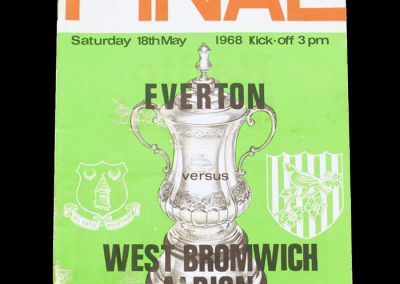
Everton v West Brom 18.05.1968 - FA Cup Final
-

Hull v Bristol City 10.02.1968
-
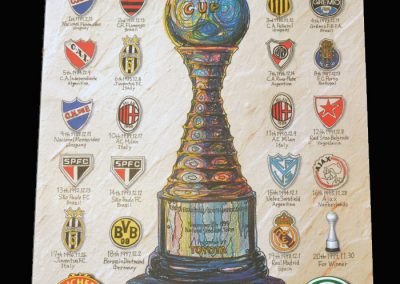
Man Utd v Palmeiras 30.11.1999 (Club World Cup Championship)
-

Man Utd v Stoke 07.12.1963


A Window into Football History
Every programme is a time capsule. You’ll find old formations, player portraits before they became legends, adverts for long-gone local businesses, and reminders of how the game—and the country—has changed. The language of match reports, the club’s financial appeals, even the typography and layout reflect their era. For students of Football History, programmes are primary sources that reveal the culture around the sport as clearly as they record the score.
Design, Artwork and Iconic Covers
Collectors are often drawn to the visual appeal. Mid-century programmes, for instance, frequently feature bold illustration, club crests and striking colour palettes. Cup finals and European nights tend to have special editions with commemorative covers. Limited-run artwork, misprints and early full-colour issues can become especially desirable, not only for what they represent on the pitch but for their graphic design value off it.
Storytelling Beyond the 90 Minutes
A good programme does more than list players; it tells stories. Manager’s letters hint at tactics and morale. Profiles introduce new signings or academy prospects. Historical features connect present squads to past heroes. For away days, the programme becomes a guide to unfamiliar grounds and fan culture. Over time, collectors can trace tactical evolutions, club philosophies and how rivalries ebbed and flowed.
Scarcity, Condition and the Thrill of the Hunt
Like any collectible, value and desirability hinge on scarcity and condition. Early editions from the inter-war years, wartime issues, and low-print non-league or early round cup ties can be hard to find. Weather, pocket wear and the post-match journey home were not kind to flimsy paper, so high-grade copies are prized. The search—car boot sales, club fairs, online listings, attic clear-outs—adds excitement. Finding a near-mint issue you’ve chased for years is a thrill that keeps collectors hooked.
Investment Appeal (Handled Sensibly)
While passion leads, investment considerations follow. Historically significant matches, debuts of great players, titles clinched, European ties, and tragic or transformative moments often command stronger prices. Special editions—testimonials, centenary seasons, inauguration of new stadium stands—can also perform well. Sensible collectors balance sentiment with research, paying attention to print runs, completeness (tokens and inserts intact), and provenance.
-

Newcastle v Man Utd 23.10.1971 (Belfast death threat)
-

Man Utd v Coventry 15.12.1973
-
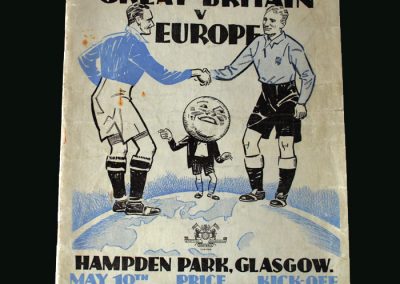
GB v Europe 10.05.1947
-

Switzerland v England 18.05.1947


Community, Trading and Swapping
Collecting football programmes builds community. Fairs, forums and club-specific groups are lively spaces where fans swap duplicates, trade tips and share stories. New collectors benefit from veterans’ knowledge about club quirks, known reprints and how to spot fakes. The social side—meeting fellow enthusiasts who love the same club or era—often becomes as rewarding as the collection itself.
Which Teams Are the Most Popular?
Demand naturally follows fanbase size, historic success and international appeal. As a result, programmes from globally supported English clubs often draw strong attention. Manchester United issues—spanning Busby’s babes, the Munich era, European triumphs and modern title runs—are frequently sought after. Liverpool’s programmes, especially from great European nights and domestic glory years, attract wide interest. Arsenal’s long top-flight heritage, Tottenham Hotspur’s double-winning season artefacts, and Chelsea’s modern Champions League era also rank highly with collectors.
Beyond those, clubs with passionate national and international followings such as Newcastle United, Leeds United, Manchester City and Everton see consistent demand, particularly for milestone seasons, promotions, cup finals and European adventures. In Scotland, Celtic and Rangers programmes—Old Firm derbies, European ties and centenary issues—are perennial favourites. Historic moments from Aston Villa, Nottingham Forest, Derby County, West Ham United and others—particularly when tied to major trophies or European campaigns—also maintain strong collector interest.
It’s worth noting that popularity isn’t only about trophies. Clubs with distinctive identities, storied grounds or cult eras create deep nostalgia. A promotion decider at a smaller club, a memorable giant-killing in the FA Cup, or a famous local derby can elevate specific issues well beyond routine league fixtures.
What Makes Certain Issues Especially Desirable?
- Significant Matches: Cup finals, title deciders, European semi-finals, debuts or farewell appearances.
- Firsts and Lasts: Opening day at a new stadium, final match at an old ground, inaugural European nights.
- Short Prints: Replays arranged at short notice, wartime and post-war austerity issues, postponed-match variants.
- Complete Inserts: Tokens, vouchers, pull-outs and posters intact increase desirability.
- Condition & Provenance: Clean spines, unmarked pages and a known history matter, especially for older pieces.
How to Start Your Collection
Begin with what you love: your club, your first match, or a favourite era of Football History. Set a focus—cup runs, a specific manager’s tenure, European away days, or a season-by-season run—and keep notes to avoid duplicates. Learn grading basics (cover gloss, spine wear, rust on staples, paper ageing) and store purchases in protective sleeves away from light and damp. Engage with collector communities for advice on fair pricing and authenticity.
If you’re buying online, look for clear photographs of the front, back and centre staples, and ask about any missing inserts. At fairs or shops, take your time to inspect; a slightly higher price for a much better condition can prove wise in the long run.
Caring for Your Programmes
Paper is fragile. Use acid-free sleeves and backing boards for rarer pieces. Store upright in cool, dry conditions and avoid direct sunlight to prevent fading. Keep hands clean and dry when browsing, and consider cotton gloves for high-value issues. If a programme includes a metal staple, watch for rust and migration onto the paper; seek conservation advice before attempting any repair.
Football Programmes
Collecting football programmes blends passion, history and design into one rewarding hobby. Each issue captures the heartbeat of a matchday and the wider story of the club and its community. Whether you’re chasing a complete run of your team’s home fixtures, hunting iconic cup final editions, or curating a gallery of classic covers, the pursuit offers endless discovery. In an era of digital everything, these tangible fragments of Football History remain a joy to hold—and a timeless way to keep the game’s memories alive.